
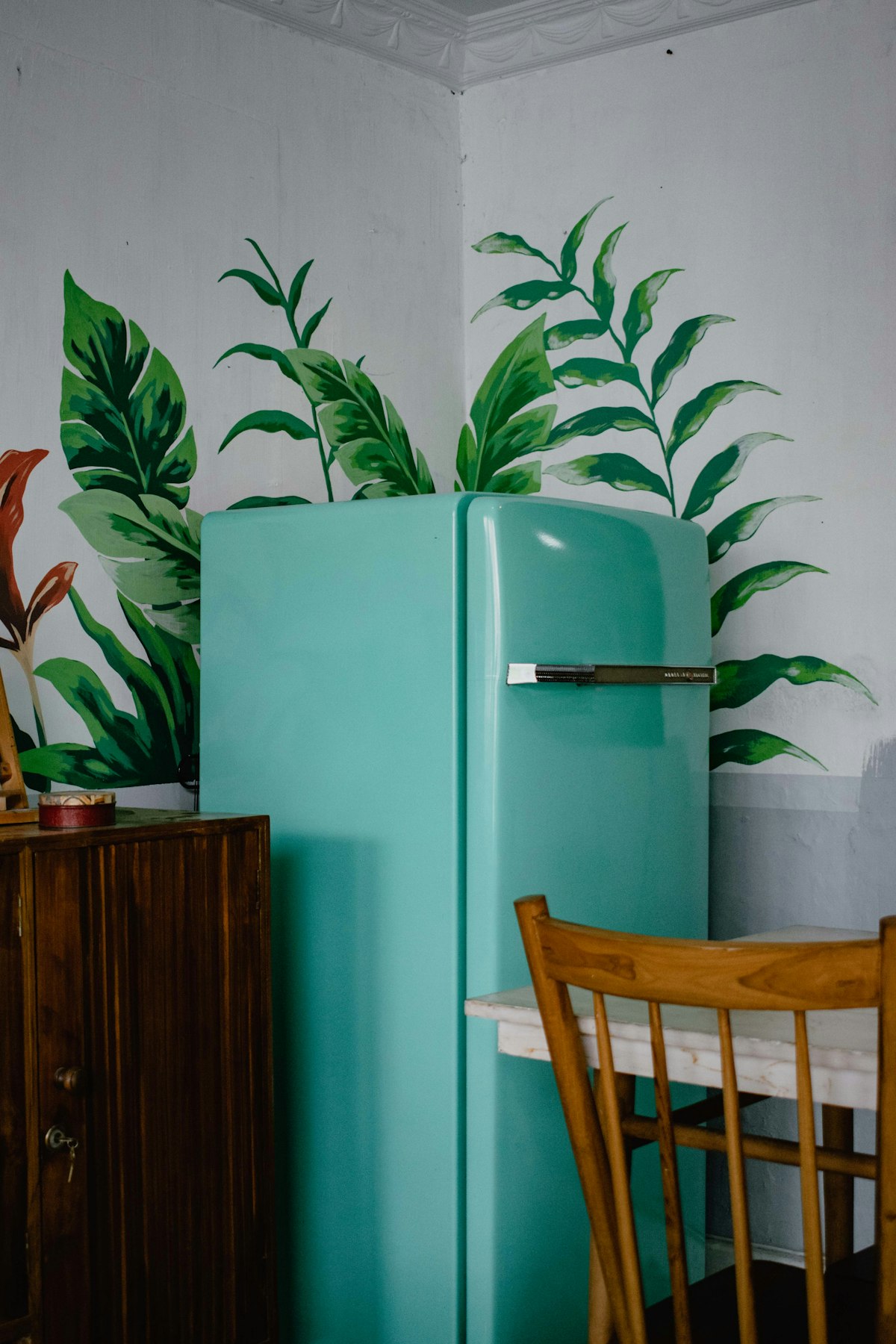
Your refrigerator runs 24 hours a day, making it one of the biggest energy consumers in your home. Here in San Antonio, where summer temperatures push past 100°F and CPS Energy bills can spike above $300 during peak months, getting your fridge settings right matters more than you might think.
The good news? A few simple adjustments can save you real money without compromising food safety.
The Magic Numbers: Optimal Temperature Settings
The FDA recommends keeping your refrigerator at or below 40°F and your freezer at 0°F. But here's what most folks don't realize: every degree colder than necessary adds roughly 5% to your appliance's energy consumption.
Set your main compartment between 37-38°F. This keeps food safely chilled while avoiding the energy waste of dropping to 32-34°F. Your freezer should sit right at 0°F – not the -5°F or -10°F many units default to out of the box.
Use an inexpensive refrigerator thermometer (about $8 at any hardware store) to verify your actual temperature, since the dial settings rarely tell the whole story.
Adjusting for San Antonio's Climate
During our brutal summers, your refrigerator works overtime. If your unit sits in a garage or near a window that gets afternoon sun, it's fighting 95°F+ ambient temperatures. That's when you might need to nudge settings slightly colder to maintain proper food temperatures.
Conversely, from November through March when overnight lows dip into the 40s, you can often dial back a degree or two if your kitchen stays naturally cool.
Power-Saving Habits That Actually Work
Beyond temperature settings, these practices make a measurable difference on your CPS Energy statement:
- Keep the fridge 70-80% full – food mass helps maintain temperature when you open the door
- Check door seals annually by closing the door on a dollar bill; if it pulls out easily, replace the gasket ($40-70)
- Vacuum the condenser coils twice yearly to maintain efficiency
- Cover liquids and wrap foods tightly so the compressor doesn't work harder removing moisture
- Let hot leftovers cool to room temperature before refrigerating
When Settings Won't Fix the Problem
If your refrigerator runs constantly despite proper settings, struggles to maintain temperature, or your monthly electric bill has crept up $20-30 without explanation, you're likely dealing with a failing compressor or sealed system leak.
Refrigerators older than 12-15 years use 30-40% more electricity than current Energy Star models. A household running an old second fridge in the garage might spend an extra $120-180 annually in electricity alone.
At that point, the smartest financial move is upgrading to an efficient model. Come see our $899 in-stock washer and refrigerator options – modern units pay for themselves through energy savings while keeping your food fresher and your San Antonio home running efficiently year-round.