
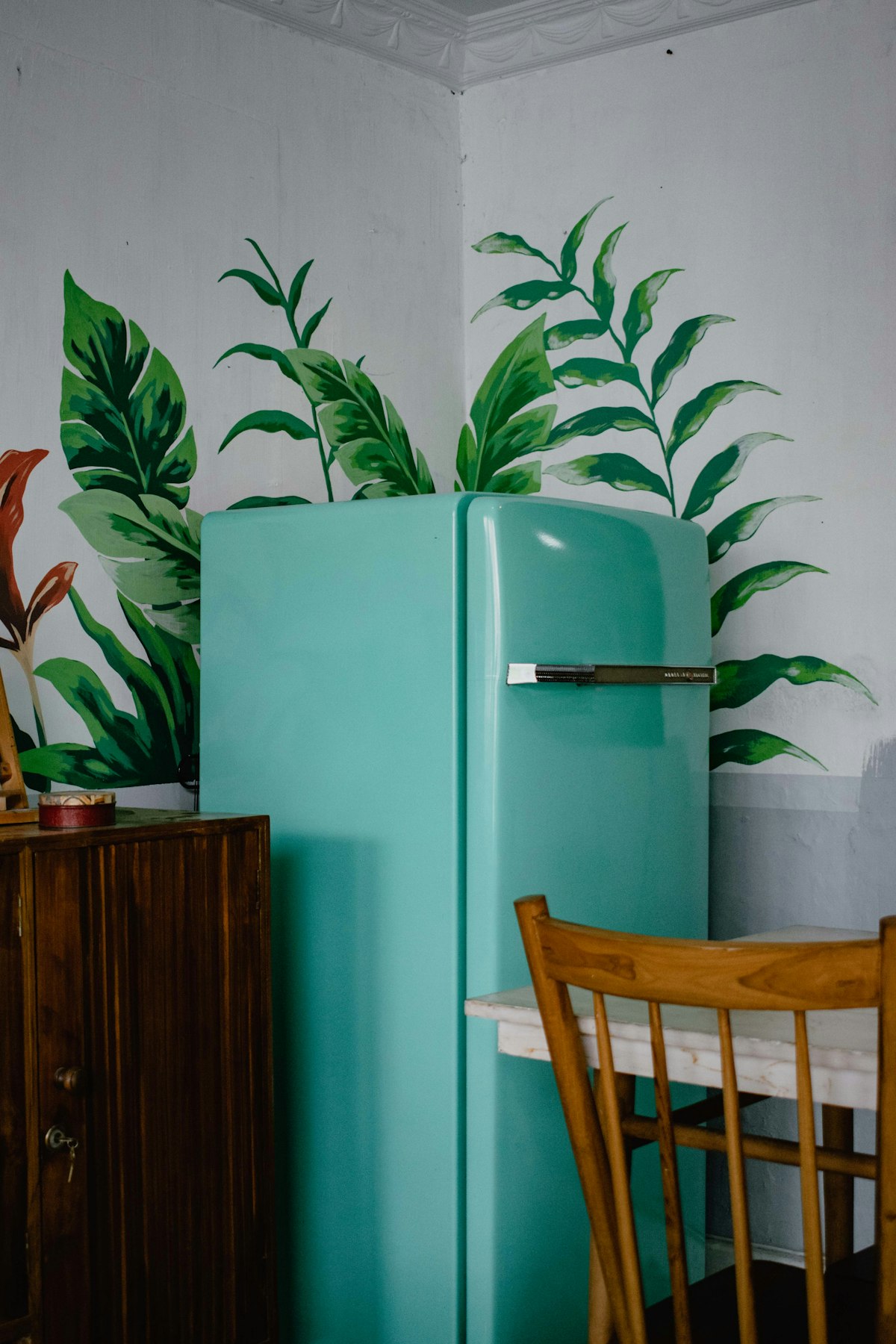
Shopping for a refrigerator under $1,000 in 2026 means you're looking at some surprisingly capable appliances. The sweet spot for quality and value sits between $800 and $950, where you'll find models that handle San Antonio's triple-digit summers without breaking down or running up your CPS Energy bill.
The reality is simple: a good refrigerator should last 12-15 years minimum. When you're spending $900, that's about $75 per year for something you use every single day. That's worth getting right the first time.
What Actually Matters in This Price Range
Forget fancy touchscreens and ice makers that sound like woodchippers. In the under-$1,000 category, focus on three things: compressor quality, insulation thickness, and shelf configuration. A reliable compressor from a manufacturer like Whirlpool, GE, or Frigidaire will outlast cheaper alternatives by years.
Energy efficiency matters here in Texas. Our summers run long and hot, and your refrigerator runs 24/7. Models with good Energy Star ratings typically cost $50-70 annually to run, while older or poorly insulated units can hit $120. Over ten years, that's a $500-700 difference.
Top Picks for San Antonio Families
For most families, an 18-20 cubic foot top-freezer model between $850-$950 delivers the best value. These configurations use less energy than side-by-sides and put your most-used compartment at eye level. Look for models with adjustable shelving—you'll appreciate the flexibility when storing watermelons in summer or holiday turkeys in winter.
French-door models occasionally dip under $1,000 during sales, but they're typically stripped-down versions. Unless you specifically need the wide shelves, a quality top-freezer gives you more refrigerator for your dollar.
Features Worth Paying For (and Skipping)
Spend money on: adjustable temperature controls in both compartments, solid crisper drawers with humidity controls, and gallon-size door storage. These features improve daily use and food preservation.
Skip: water dispensers in this price range (they're maintenance headaches), "smart" connectivity that adds complexity without value, and overly complicated digital controls that cost $200+ to replace when they fail.
What to Avoid
Steer clear of unknown brands selling at $500-600. They're cheap for a reason—thinner insulation, louder operation, and compressors that fail within five years. That "bargain" costs more when you're replacing it twice as often.
Also avoid buying solely based on cubic footage. A poorly designed 22 cubic foot refrigerator uses space worse than a well-designed 18 cubic foot model.
Making Your Purchase Count
When you're ready to buy, measure your space twice (including height for delivery), and remember that delivery and haul-away typically add $75-150 to your total. Factor that into your budget from the start.
Visit our showroom to see quality models in person and ask questions that matter to your family's needs. We stock several excellent options in this range, including our $899 in-stock washer and refrigerator selections that we stand behind with real service after the sale. That's something online retailers can't match, and it matters when you're making a purchase that should last well into the 2030s.