
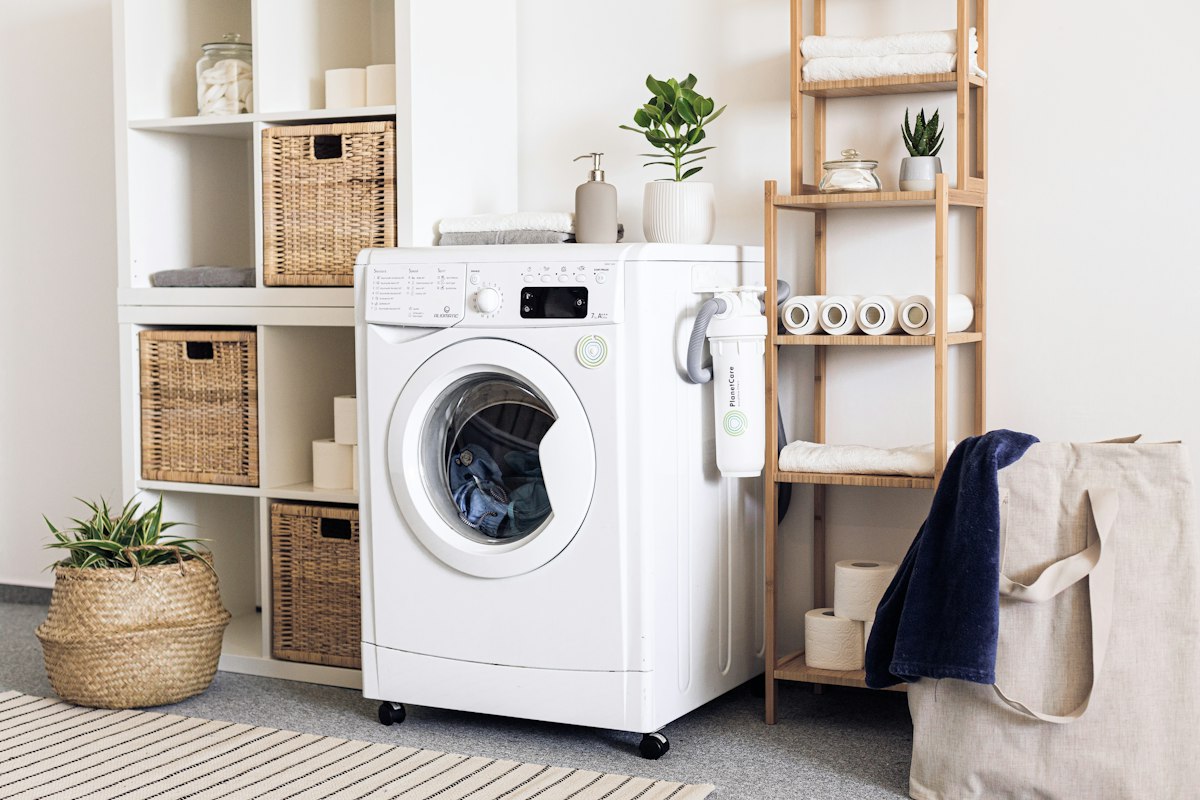
Every load of laundry you wash in warm or hot water costs you money – real money that shows up on your CPS Energy bill every month. For San Antonio families doing 8-10 loads weekly, the difference between cold and warm wash settings adds up to more than you'd think.
The Hard Numbers on Water Heating Costs
About 90% of the energy your washer uses goes toward heating water. The actual spinning and tumbling? That's just 10% of your electricity consumption. When you choose warm water (around 90°F) instead of cold, your washer pulls water from your home's water heater or heats it directly, depending on your model.
Here's what that means in dollars: heating water for a single warm load costs roughly 25-40 cents in electricity. A cold water load costs about 3-4 cents. That 30-cent difference might seem small, but multiply it by 400 loads per year (a typical family average), and you're looking at $120 annually just to heat your wash water.
San Antonio's Summer Heat Factor
During our brutal San Antonio summers when CPS Energy rates climb and air conditioners run constantly, your water heater makes your AC work even harder. Every time it fires up to heat laundry water, it's pumping heat into your home that your AC has to remove. From June through September, this double-hit can add another $20-30 to your annual costs.
Cold water washing eliminates this hidden penalty entirely. Your water heater stays off, and your home stays cooler.
Does Cold Water Actually Clean?
Modern detergents are formulated to work in cold water. Brands like Tide, Persil, and Arm & Hammer have cold-water formulas that activate enzymes at lower temperatures. For most loads – everyday clothes, sheets, towels – cold water cleans just as effectively as warm.
Reserve warm water for heavily soiled items, grease stains, or sanitizing kitchen towels. You'll still save money by making 80% of your loads cold instead of 100% warm.
What About Your Washer Itself?
Newer high-efficiency washers are built to maximize cold water performance. They use sensors, specialized wash cycles, and longer agitation times to compensate for lower temperatures. If you're running a washer that's 10+ years old, you're paying more per load regardless of temperature – older models use 40-50 gallons per cycle compared to 15-20 gallons for modern machines.
The combination of an efficient washer running cold cycles delivers the biggest savings. Over five years, you could pocket $500-600 compared to running an old machine on warm. When you're ready to upgrade, check out our $899 in-stock washer and refrigerator selection for models that deliver real efficiency without the luxury price tag.
Bottom line: switching to cold water saves $100-150 yearly for most San Antonio households. It's the easiest money you'll save without changing your lifestyle one bit.