
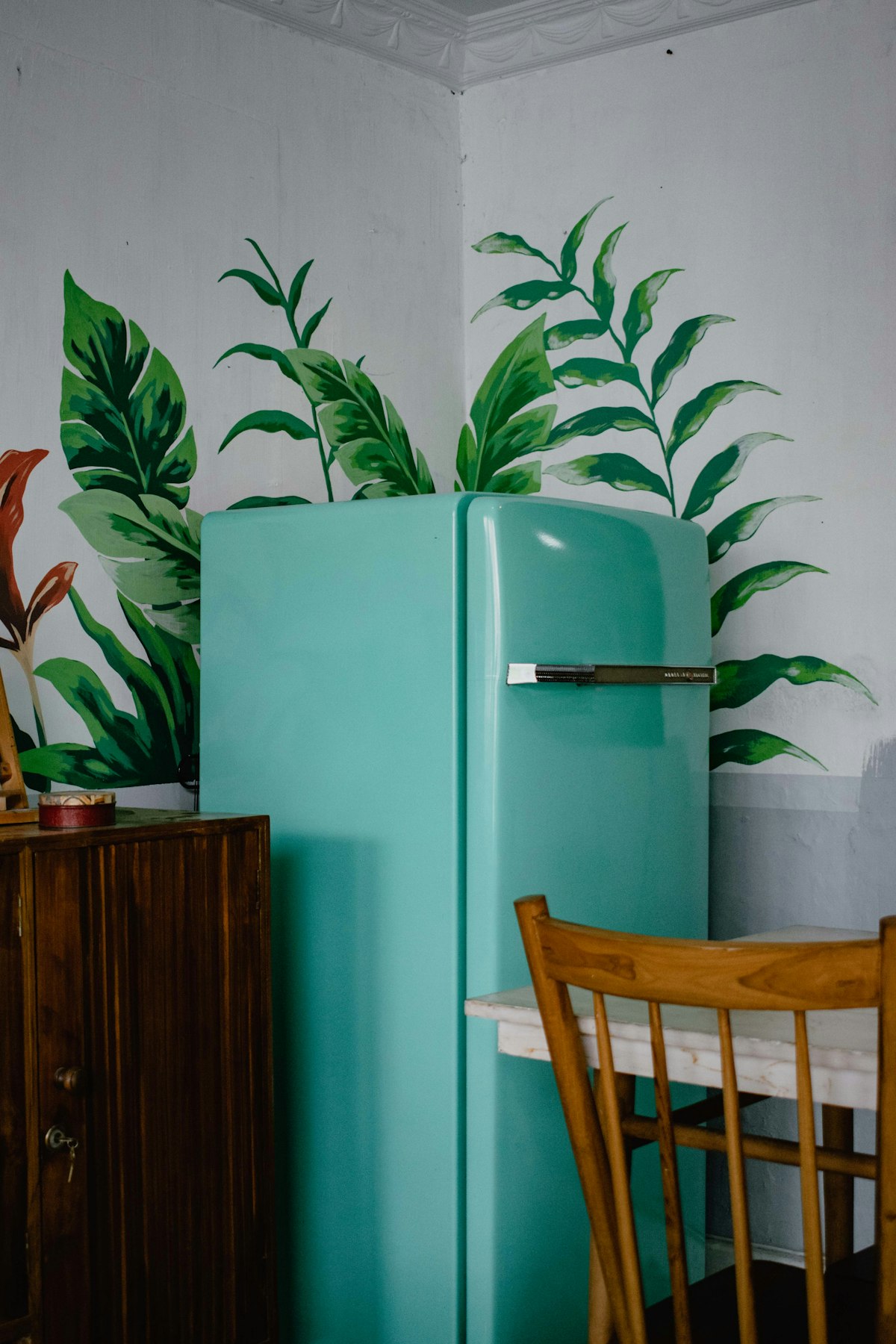
Most of us wipe down spills and toss expired leftovers weekly, but a proper deep-clean of your refrigerator requires more attention. Twice a year—ideally in spring and fall—is the perfect schedule to keep your fridge running efficiently, especially in San Antonio where our air conditioners and refrigerators work overtime from May through October.
Why Deep-Cleaning Matters for Performance
Your refrigerator is one of the hardest-working appliances in your home, running 24/7 to keep food safe. Over time, dust accumulates on condenser coils, spills create bacteria, and door seals collect grime that compromises the seal. When coils are caked with dust, your compressor works harder, driving up your CPS Energy bill by 5-10% or roughly $8-15 monthly during our brutal summers.
Clean coils also mean less strain on the compressor, which can extend the life of your refrigerator by years. Given that a quality replacement unit costs $1,200-2,500, spending an hour twice a year on maintenance is time well spent.
The Deep-Clean Process
Start by unplugging the refrigerator or turning off the circuit breaker. Remove all food, shelves, and drawers. Wash removable parts with warm soapy water—your kitchen sink or bathtub works perfectly. While those dry, wipe down the interior walls with a solution of two tablespoons baking soda per quart of warm water. This naturally deodorizes without harsh chemicals.
Check expiration dates as you return items. San Antonio's heat means power outages from summer storms can spoil food faster than you think, so this is your chance to audit what's actually safe to keep.
Don't Forget the Coils and Seals
The condenser coils, usually located behind a grille at the bottom or on the back panel, need vacuuming with a brush attachment. Pull the refrigerator away from the wall if necessary—you might be shocked at the dust buildup. This single step can reduce energy consumption significantly.
Inspect door seals (gaskets) for cracks or looseness. Clean them with warm soapy water and check the seal by closing the door on a dollar bill. If you can pull it out easily, the gasket may need replacing—a $50-150 repair that prevents cold air loss.
When to Replace Instead of Repair
If your refrigerator is over 12 years old, struggles to maintain temperature, or has required multiple repairs costing $400-500, it may be time to consider replacement. Modern Energy Star models can cut electricity use by 40% compared to units from 2005, saving San Antonio families $100-150 annually.
Regular deep-cleaning extends appliance life, but eventually every refrigerator reaches the end. When that time comes, we stock quality models built to handle Texas conditions. Check out our $899 in-stock washer and refrigerator options designed for reliability and efficiency in our climate. Taking care of what you have now means you'll make a smarter choice when replacement becomes necessary.