
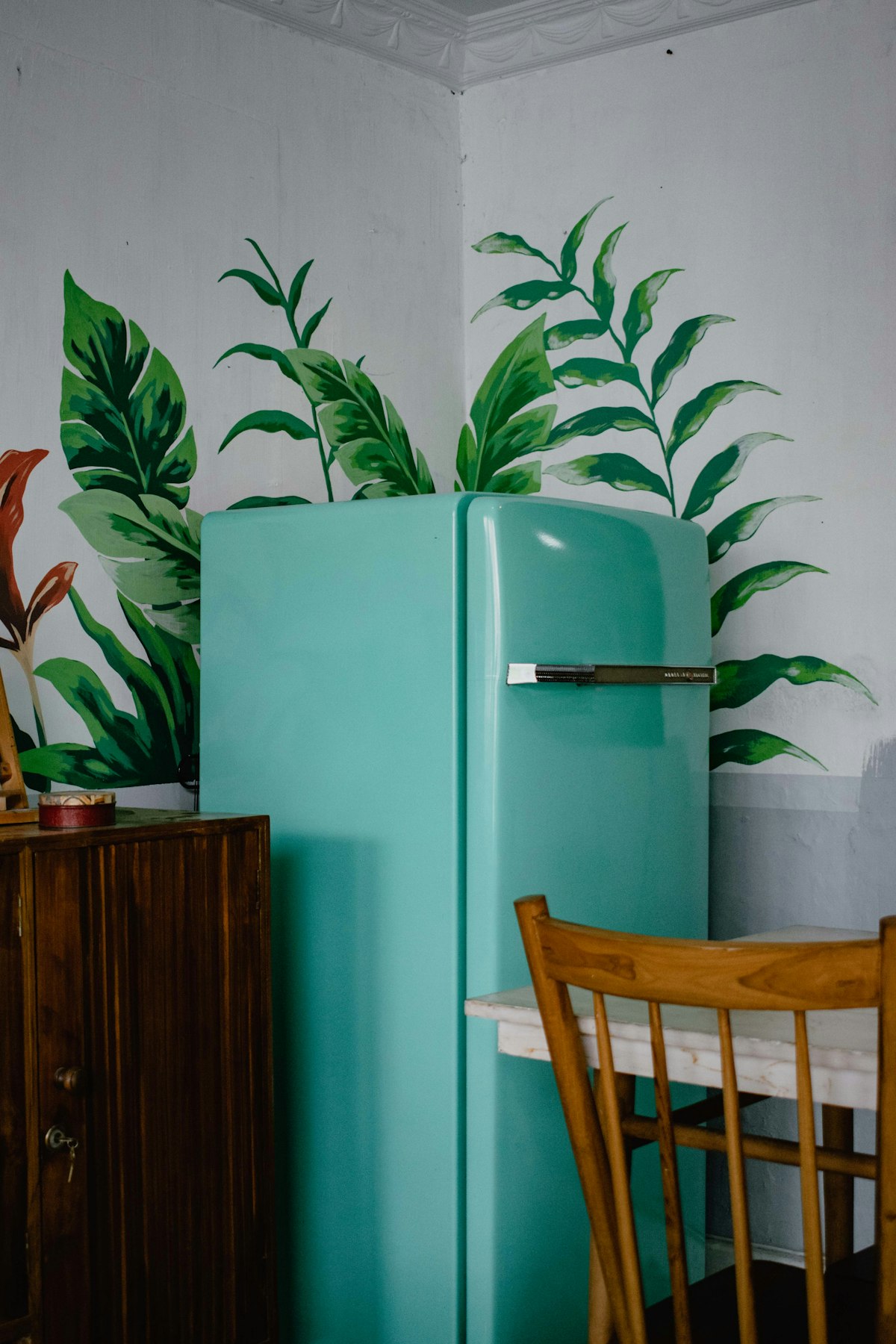
When July hits San Antonio and your CPS Energy bill climbs past $300, you might wonder if your refrigerator is partly to blame. The short answer: yes, refrigerators absolutely work harder in summer, and in our Texas heat, that extra effort shows up on your electric bill and in how hard your appliance has to strain.
How Summer Heat Affects Your Refrigerator
Your refrigerator works by moving heat from inside the box to the outside air. When your kitchen is 78 degrees in winter, that's one thing. When it's 85 degrees because your AC is fighting 102-degree heat outside, your fridge's compressor has to run longer and work harder to maintain that 37-degree interior temperature.
The condenser coils on the back or bottom of your unit release heat. The hotter your kitchen, the less efficiently those coils can dump that heat. Think of it like trying to cool down by standing in front of a fan when it's already 95 degrees outside—it just doesn't work as well.
The Real Cost of Summer Operation
A typical refrigerator uses about 150-200 kWh per year under normal conditions. During San Antonio summers, that number can jump 20-30% or more if your unit is older or your kitchen stays warm. With CPS Energy rates around $0.12 per kWh, that's an extra $4-7 per month just from summer strain—not counting the wear on components.
Refrigerators older than 10-12 years feel this heat even more. Their compressors weren't designed with modern efficiency standards, and years of use mean seals leak cold air and insulation breaks down. That combination in a Texas summer is expensive.
Warning Signs Your Fridge Is Struggling
Listen for your compressor running constantly rather than cycling on and off. Feel the sides of your refrigerator—if they're very warm or hot to the touch, the unit is fighting hard. Check for condensation inside or frost buildup in places it shouldn't be. These signs mean your refrigerator is losing the battle against summer heat.
If you're hearing clicking sounds, noticing food spoiling faster, or seeing your CPS bill spike more than your neighbors', your refrigerator may be on its last legs. Replacing a failing unit before it dies completely saves you from losing $200 worth of groceries during a 100-degree weekend.
When Replacement Makes Financial Sense
Modern Energy Star refrigerators use 40% less electricity than models from 2001. If your unit is 15 years old and struggling each summer, you're likely spending $100-150 extra per year in electricity alone. A quality replacement pays for itself in 7-10 years through energy savings, not counting avoided repair bills.
If you're ready to stop fighting summer inefficiency, we stock reliable models built to handle Texas heat without breaking your budget. Whether you need immediate replacement or want to plan ahead, our $899 in-stock washer and refrigerator inventory includes units designed for efficiency in climates exactly like ours. Investing in quality now means lower bills and fewer worries when next summer rolls around.