
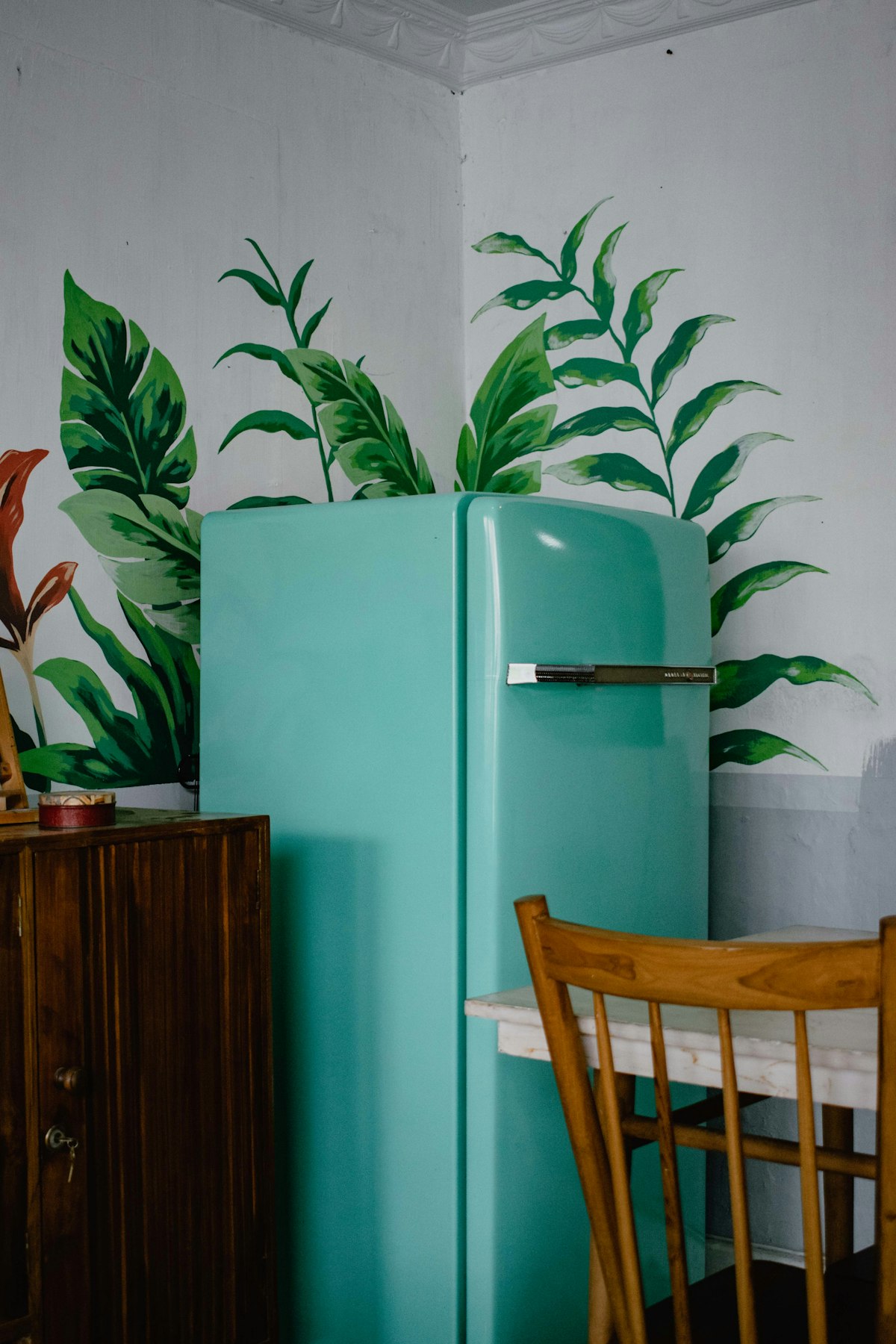
Walk into almost any San Antonio suburb and you'll find garage fridges humming away, stocked with cold drinks, overflow groceries, and party supplies. But between our scorching summers and climbing CPS Energy rates, that convenience comes with a real price tag. Before you haul that old refrigerator to the garage or buy a second unit, let's talk through whether you actually need one.
When a Second Fridge Makes Sense
Some households genuinely benefit from extra refrigeration. Large families who buy groceries in bulk, frequent entertainers who need space for party platters, and gardeners who preserve seasonal vegetables all have legitimate reasons. If you're regularly throwing out food because your main fridge can't hold everything, or you're making extra grocery runs because you lack storage, the math might work in your favor.
Hunters and fishers also fall into this category. A dedicated freezer or fridge-freezer combo for game and catch pays for itself when you're storing several months of protein.
The Real Cost of Running Two Refrigerators
Here's where many folks get surprised. An older refrigerator (pre-2001) can cost $150 to $200 annually to run, according to CPS Energy estimates. Even newer models add $50 to $100 per year to your electric bill. In a San Antonio garage where summer temperatures hit 110°F or higher, that compressor works overtime, pushing costs toward the higher end.
If you're keeping that 15-year-old kitchen refugee running in the garage mostly empty except for a few sodas and condiments, you're spending roughly $2 per week for expensive convenience. Over five years, that's $500 to $1,000—enough to buy a quality new unit.
Better Alternatives to Consider
Before committing to a second full-size refrigerator, think about what you actually need. A compact beverage cooler costs far less to operate if you mainly want cold drinks handy. A small chest freezer (3-5 cubic feet) uses minimal electricity and handles overflow frozen goods efficiently.
Some families realize they need better organization in their main fridge rather than more space. Adjustable shelving, door bins, and dedicated drawers in a modern refrigerator often accommodate more than that old overcrowded unit you're replacing.
Making the Smart Choice
If you decide a second refrigerator truly fits your lifestyle, buy the right one. Look for Energy Star certified models, which use 15% less energy than standard requirements. Size it appropriately—bigger isn't always better if you won't keep it full, since empty space still requires cooling.
Keep any garage fridge in the coolest spot possible, away from direct sun and your water heater. Clean the coils twice yearly, and if you're only using it seasonally, unplug it during cooler months.
Whether you need one fridge or two, buying quality matters. Stop by our showroom to see our $899 in-stock washer and refrigerator selection and talk through what actually makes sense for your household and budget. We'll give you straight answers, not a sales pitch.