
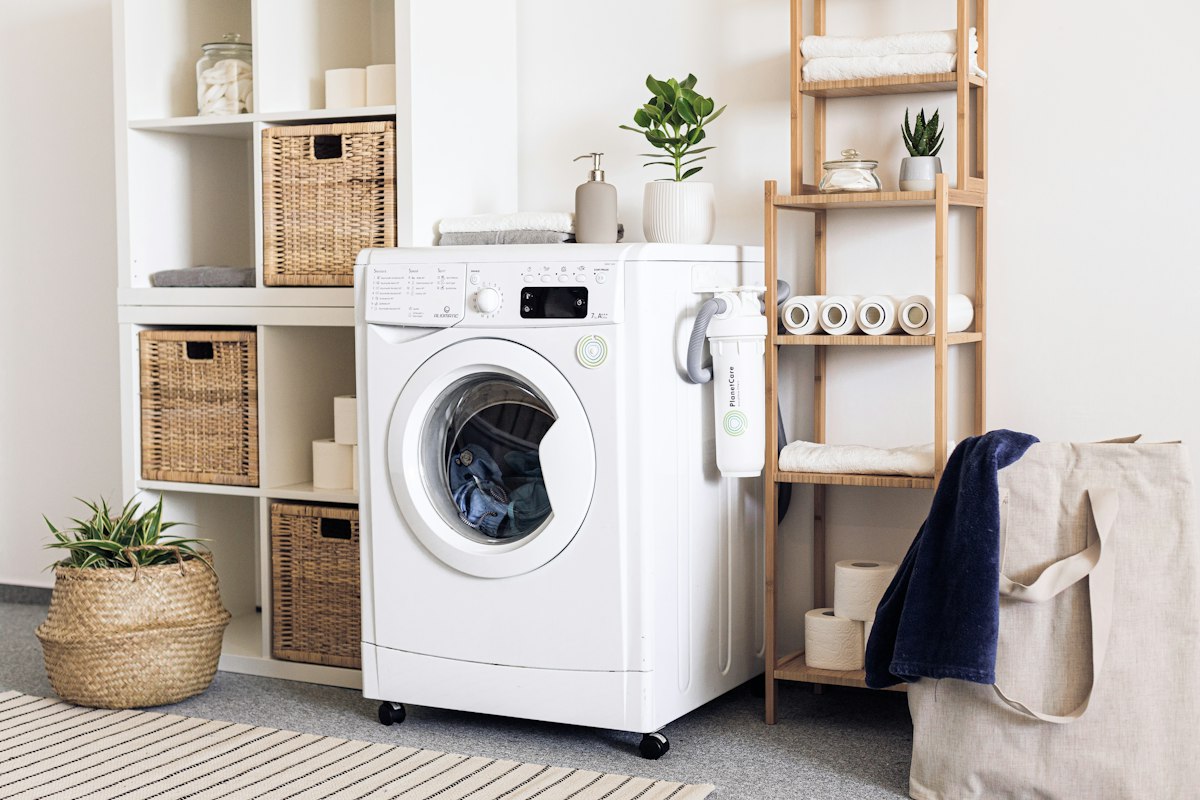
Switching to eco-friendly detergents sounds great in theory, but many San Antonio homeowners worry these gentler formulas won't tackle our Texas-sized stains—think barbecue sauce, grass from the park, and that notorious South Texas dust. The good news? Several plant-based and biodegradable detergents now deliver the cleaning punch you need while protecting our SAWS water system and your family's health.
What Makes a Detergent Truly Eco-Friendly
Real eco-friendly detergents skip phosphates, chlorine, artificial dyes, and synthetic fragrances. They use plant-derived surfactants instead of petroleum-based chemicals. Look for USDA Certified Biobased or EPA Safer Choice labels—these aren't just marketing fluff. Concentrated formulas also matter because you're shipping less water and using less plastic packaging per load.
For HE washers (which most of us have now), make absolutely certain the label says "HE compatible." Regular detergents create too many suds for high-efficiency machines, leaving residue on clothes and inside your washer drum.
Top Performers Worth Your Money
After talking to hundreds of customers, a few brands consistently deliver. Seventh Generation Free & Clear runs about $12-15 for 40 loads (roughly $0.30-$0.38 per load) and handles everyday dirt without fragrance. Molly's Suds costs a bit more at $20 for 70 loads ($0.29 per load) but works beautifully in our hard San Antonio water. Tide Purclean—yes, from Tide—is 75% plant-based and runs around $0.35 per load while delivering the stain-fighting power people expect from the Tide name.
For families on tighter budgets, Arm & Hammer Clean Burst (about $0.15 per load) isn't fully plant-based but skips phosphates and dyes while still tackling tough loads.
Getting the Best Results
Even the best eco-friendly detergent won't work miracles if you're overloading your washer or using too much product. Most people pour twice what they need. Start with half the recommended amount—seriously—and only increase if clothes aren't coming clean.
Pretreat tough stains with a dab of detergent or a paste of baking soda and water before tossing items in the wash. Cold water works for 90% of loads and saves money on your CPS Energy bill, especially during our brutal summers when every degree counts.
When Your Washer Needs an Upgrade
If you're battling detergent residue, weird smells, or clothes that never seem truly clean, your washer might be the problem—not your detergent choice. Older machines use significantly more water and energy than modern HE models, which can offset the slightly higher cost of quality eco-friendly detergents.
A new Energy Star washer saves the average family about $45 yearly on water and $30 on electricity. Over a 10-year lifespan, that's real money back in your pocket. If you're ready to upgrade, check out our $899 in-stock washer and refrigerator options that pair efficient performance with straightforward pricing—no games, no gimmicks, just honest value for San Antonio families.