
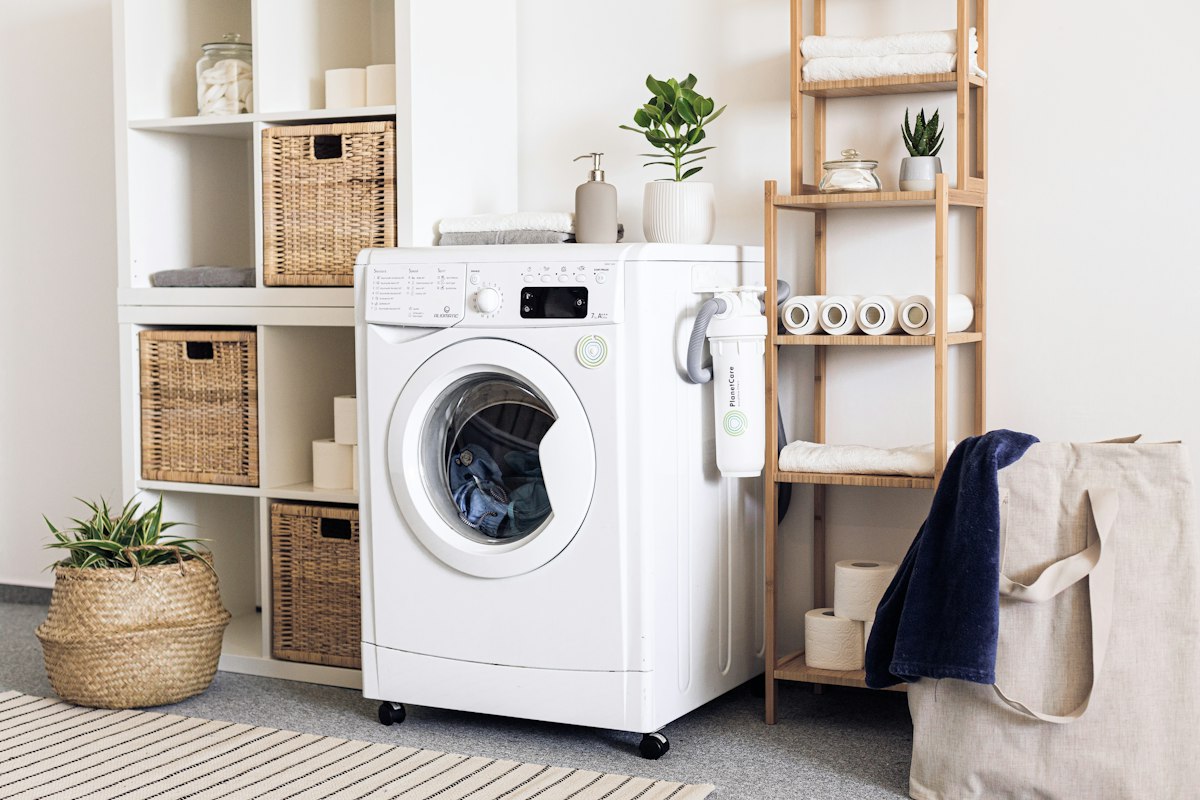
Front-load washers deliver excellent cleaning performance and water efficiency—critical benefits when summer water bills climb in San Antonio. But these machines require more attention than traditional top-loaders. With proper care, you can stretch a quality front-loader's lifespan from the typical 10-12 years to 15 years or more, protecting an investment that typically runs $800 to $1,500.
Keep the Door Gasket Clean and Dry
The rubber door seal is your front-loader's most vulnerable component. San Antonio's humidity creates perfect conditions for mold and mildew growth in that folded gasket. After every load, wipe the gasket with a dry cloth, paying special attention to the bottom where water pools. Once a week, clean it with a mixture of equal parts water and white vinegar.
Leave the door cracked open between loads—at least three to four inches. This simple habit allows moisture to evaporate and prevents that musty smell many front-loader owners battle. If you've already noticed black spots forming, address them immediately with a diluted bleach solution before they damage the rubber permanently.
Run Monthly Cleaning Cycles
Modern front-loaders include a self-clean cycle for good reason. Run it monthly using either the manufacturer's recommended cleaner or two cups of white vinegar. This prevents detergent residue and mineral buildup from San Antonio's moderately hard water (SAWS water averages 250-300 ppm hardness).
If your washer lacks a self-clean option, run an empty hot water cycle with two cups of vinegar, followed by a second hot cycle with a half-cup of baking soda. Budget about $5 monthly for cleaning supplies—far less than the $150-300 service call for a clogged pump.
Use the Right Detergent Amount
Front-loaders need high-efficiency (HE) detergent, and they need less of it than you think. Excess suds leave residue that gunks up hoses, pumps, and the drum itself. Follow the detergent bottle's HE guidelines, typically one to two tablespoons per load. With San Antonio's soft-to-moderate water, you're on the lower end of that range.
Regular detergent creates excessive suds that your front-loader can't rinse away properly, leading to premature wear on the pump and drain system. The $2-3 price difference per bottle pays for itself in avoided repairs.
Check and Clean the Filter Quarterly
Your front-loader has a drain pump filter—usually behind a small panel at the bottom front. Every three months, remove and rinse this filter to prevent clogs from lint, coins, and small debris. Place towels underneath before opening; expect a cup or two of water to spill out.
A clogged filter forces the pump to work harder, shortening its lifespan and potentially leading to a $200-400 pump replacement. This five-minute task every quarter is the cheapest insurance you can buy.
Invest in Quality From the Start
These maintenance habits work best when you start with a well-built machine. Cheaper models may save $200 upfront but often lack durable gaskets, robust pumps, and effective self-clean cycles. If you're shopping for a replacement or your current washer is beyond saving, check out our $899 in-stock washer and refrigerator inventory. We stock machines built to handle Texas conditions while keeping your long-term maintenance costs down.