
Walk into any appliance store and you'll face the same question: front-load or top-load washer? Both have loyal fans, and both have real drawbacks. After thirty years selling washers to San Antonio families, I've seen which machines hold up and which ones become expensive headaches. Here's what actually matters.
Upfront Cost and Long-Term Value
Top-load washers typically cost $500-$800 for a solid model, while comparable front-loaders run $700-$1,200. That price gap shrinks when you factor in water and electricity savings. Front-loaders use about 13 gallons per load versus 23 gallons for traditional top-loaders. With SAWS water rates and our long San Antonio summers running the AC, those savings add up to roughly $50-$80 annually on utility bills.
High-efficiency top-loaders split the difference—using less water than traditional models but more than front-loaders. They usually cost $600-$900, making them the middle-ground option many families choose.
Cleaning Performance: The Real Test
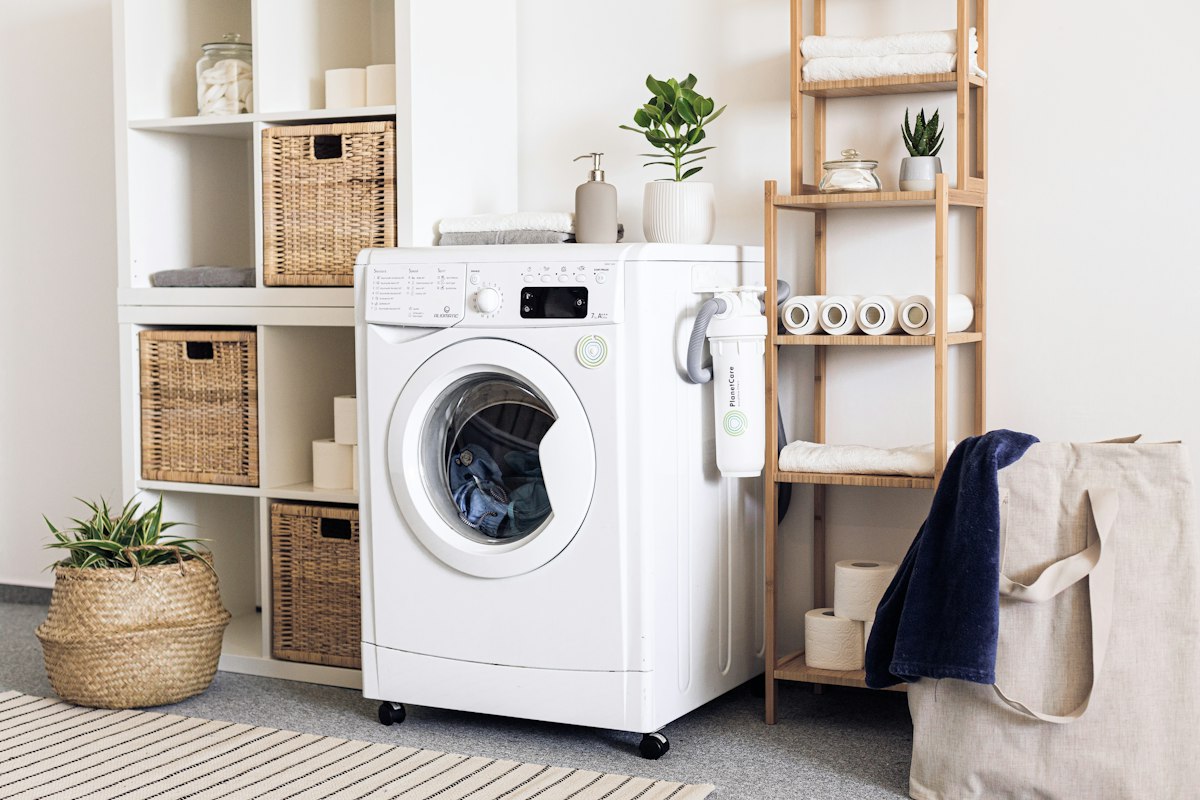
Front-load washers clean better, period. The tumbling action and higher spin speeds extract more water and work detergent through fabrics more effectively. If you've got kids playing sports or working outdoors in Texas heat, that cleaning power matters.
Traditional top-loaders with agitators are rougher on clothes but handle heavy, dirty loads without complaint. HE top-loaders are gentler but sometimes struggle with bulky items like comforters. I've had customers return after buying HE top-loaders because their bedding never felt truly clean.
Durability and Common Problems
Here's the uncomfortable truth: front-loaders have a reputation for mold and mildew issues, especially in our humid climate. Leave the door closed after a load, and you'll smell it within weeks. The rubber gasket traps moisture and requires regular cleaning.
Top-loaders avoid this problem entirely—water drains completely and the drum dries naturally. However, HE top-loaders can develop bearing problems after 7-8 years, while quality front-loaders often last 10-12 years despite the gasket maintenance.
What Actually Makes Sense for Your Home
If you have mobility issues or back problems, top-loaders win. Loading and unloading at waist height beats bending down repeatedly. For families doing 10+ loads weekly, front-loaders save enough on water and energy (especially with CPS Energy rates) to justify the higher price within three years.
My honest recommendation? If you're willing to leave the door open after every load and wipe down the gasket monthly, a quality front-loader saves money and cleans better. If that maintenance sounds annoying, buy a top-loader and skip the frustration.
Either way, buy a machine built to last. The $400 builder-grade models—front or top-load—rarely make it past five years without expensive repairs. Come see our $899 in-stock washer and refrigerator options that balance quality with affordability, and we'll talk through what actually fits your laundry habits and budget.