
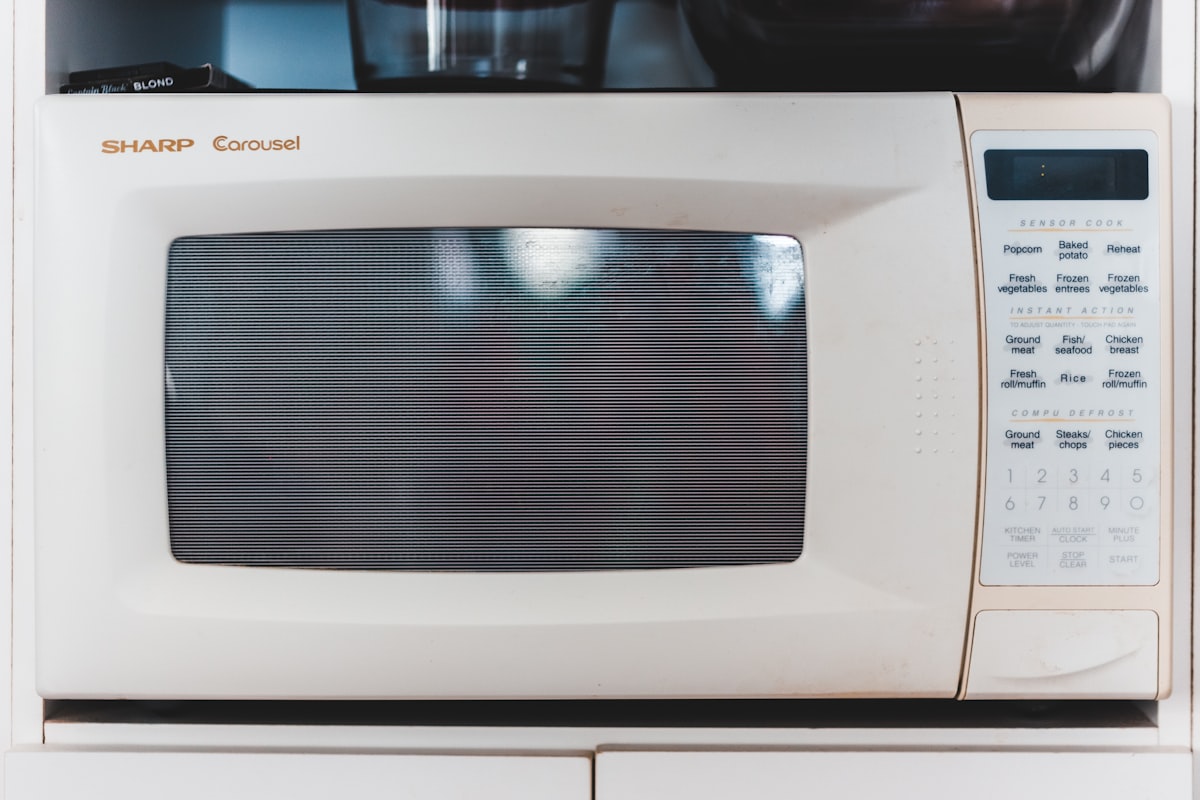
After spending $1,200 on a new refrigerator or $900 on a washer, the last thing you want is to replace it out-of-pocket if disaster strikes. But does your homeowners insurance actually cover your appliances? The short answer: sometimes, and it depends on what happened.
What Standard Homeowners Insurance Covers
Your basic homeowners policy typically includes dwelling coverage, which protects the physical structure of your home and permanently attached fixtures. Most insurers also provide personal property coverage for belongings inside your home, including appliances.
Here's the catch: coverage usually applies only to sudden, unexpected events—fire, lightning, hail damage, vandalism, or a fallen tree during one of San Antonio's summer storms. If your refrigerator stops working because a lightning strike fried the electrical system, you're likely covered. If it simply dies from age or wear and tear after ten years, you're on your own.
Typical homeowners deductibles in Texas range from $1,000 to $2,500. So if your damaged dryer is worth $800, filing a claim doesn't make financial sense.
What Standard Policies Don't Cover
Most home insurance policies explicitly exclude mechanical or electrical breakdown due to normal use. When your dishwasher's motor burns out or your washer's transmission fails, that's considered maintenance—not a covered peril.
Flood damage is another major exclusion. Standard policies don't cover flooding, which matters in San Antonio where flash floods can happen. You'd need separate flood insurance, and even then, appliance coverage may be limited to actual cash value (depreciated worth), not replacement cost.
Equipment Breakdown or Service Line Coverage
Some insurers offer an equipment breakdown endorsement, sometimes called mechanical breakdown coverage, for an additional $50 to $150 per year. This add-on typically covers sudden mechanical or electrical failure of appliances, HVAC systems, and water heaters.
It won't cover gradual deterioration or lack of maintenance, but it bridges the gap between your standard policy and extended warranties. Before adding this coverage, read the fine print—some policies cap appliance coverage at $5,000 or $10,000 total, and most still require you to pay your deductible.
Extended Warranties and Protection Plans
Retailer-offered extended warranties usually cover mechanical failure after the manufacturer's warranty expires, typically for two to five years. These plans range from $100 to $400 depending on the appliance and coverage length.
The trade-off? You're betting the appliance will break within the coverage window. For a $900 washer with a protection plan costing $150, you're paying 17% of the appliance's value upfront. Quality appliances from reliable brands often outlast these plans.
The Smarter Investment
Rather than layering insurance upon insurance, consider buying quality appliances from the start. A well-built washer or refrigerator with good energy ratings will save you money on CPS Energy bills and last longer than budget models.
When it's time to replace your appliances, visit us to see our $899 in-stock washer and refrigerator options that combine reliability with affordability—no gamble required.