
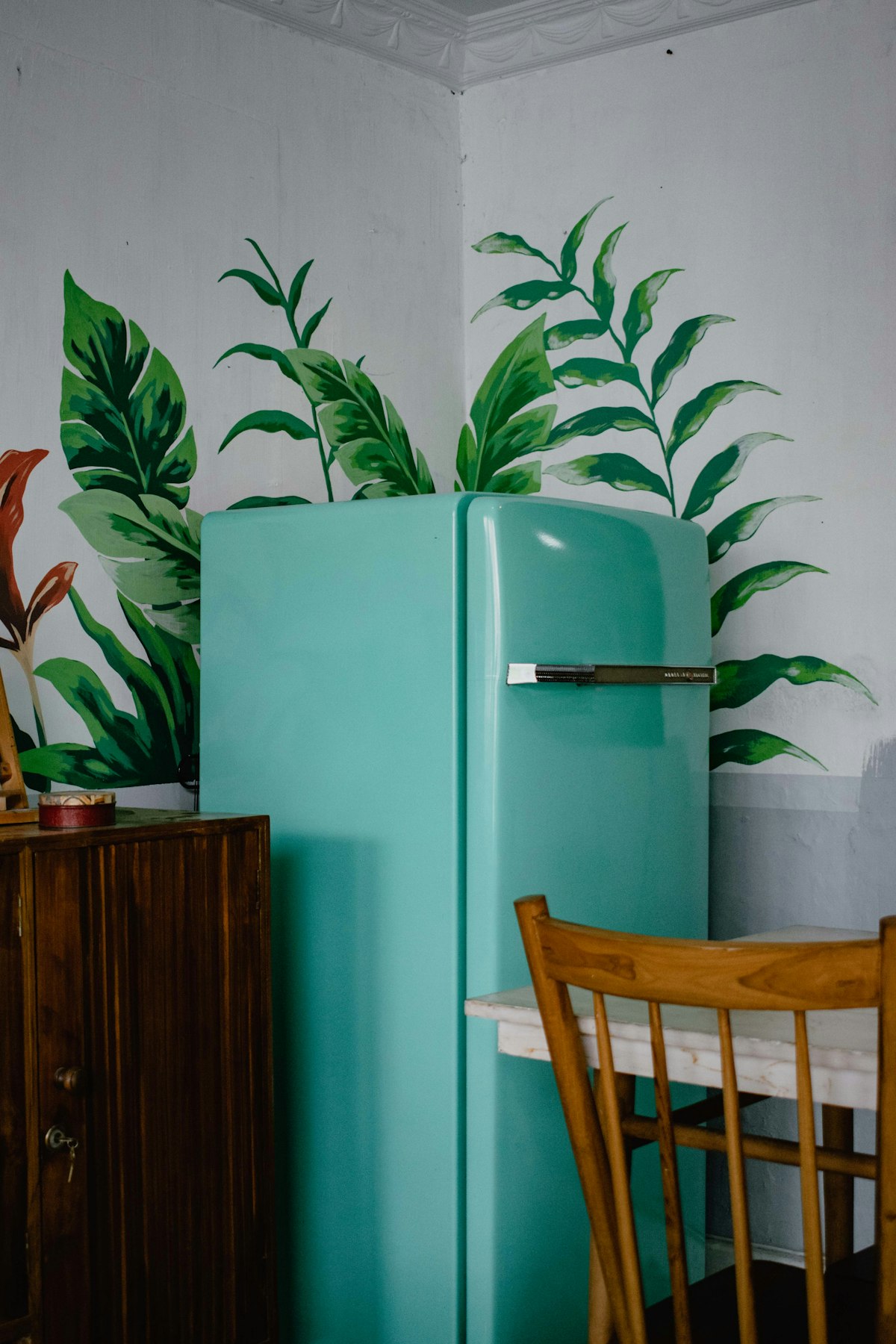
Shopping for a refrigerator in 2026 means navigating more choices than ever—from smart features to energy ratings. But the fundamentals haven't changed: you need a fridge that fits your space, keeps food cold reliably, and doesn't drain your bank account or spike your CPS Energy bill. Let's walk through what actually matters.
Start With Size and Configuration
Measure your space before you fall in love with any model. You need the width, height, and depth—including clearance for doors to swing open. Standard widths run 30 to 36 inches, but French door models often stretch wider.
Configuration comes down to how you use your kitchen. French doors (two refrigerator doors on top, freezer drawer below) dominate showrooms for good reason—they're efficient for daily access and typically run $1,200 to $2,500 for quality models. Side-by-side units ($900 to $1,800) give equal priority to fridge and freezer but often have narrower shelves. Top-freezer models ($600 to $1,200) remain the most affordable and energy-efficient option, perfect if you're budget-conscious or don't need bells and whistles.
Capacity: How Much Space Do You Really Need?
A family of four typically needs 20 to 25 cubic feet. Go smaller if you eat out frequently or shop daily; go larger if you buy in bulk or entertain often. San Antonio's summer heat means many of us stock extra beverages and prefer having overflow capacity during cookout season.
Don't just chase the biggest number. A well-organized 22-cubic-foot fridge beats a cramped 26-cubic-foot model with awkward shelving. Look for adjustable shelves, gallon-door storage, and humidity-controlled crispers that actually keep produce fresh in our climate.
Energy Efficiency Pays Off
ENERGY STAR-certified models use about 15% less energy than standard units. That translates to $50 to $80 annual savings on electricity—meaningful over a fridge's 10- to 15-year lifespan. In San Antonio, where air conditioning already strains summer budgets, an efficient refrigerator that doesn't pump excess heat into your kitchen matters.
Look for models with LED lighting, better insulation, and inverter compressors. The upfront cost difference is usually $100 to $200, which you'll recoup through lower CPS Energy bills.
Features Worth Paying For (and Skipping)
Ice makers and water dispensers add $150 to $300 to the price but save counter space and filter your water. Door-in-door designs reduce cold air loss. Smart connectivity? Honestly, most families never use it—don't overpay for Wi-Fi in your fridge.
Focus your dollars on build quality: solid door seals, metal shelving, and a proven compressor. A $1,400 fridge with these basics will outlast a $2,000 model loaded with gimmicks.
Budget and When to Buy
Expect to spend $900 to $1,800 for a dependable mid-range refrigerator. We typically see the best deals during holiday weekends and when floor models need to move for new inventory. Visit our $899 in-stock washer and refrigerator selection to see what fits your kitchen and budget. A quality fridge is a decade-long investment—choose wisely, and you'll thank yourself every morning when you open those doors.