
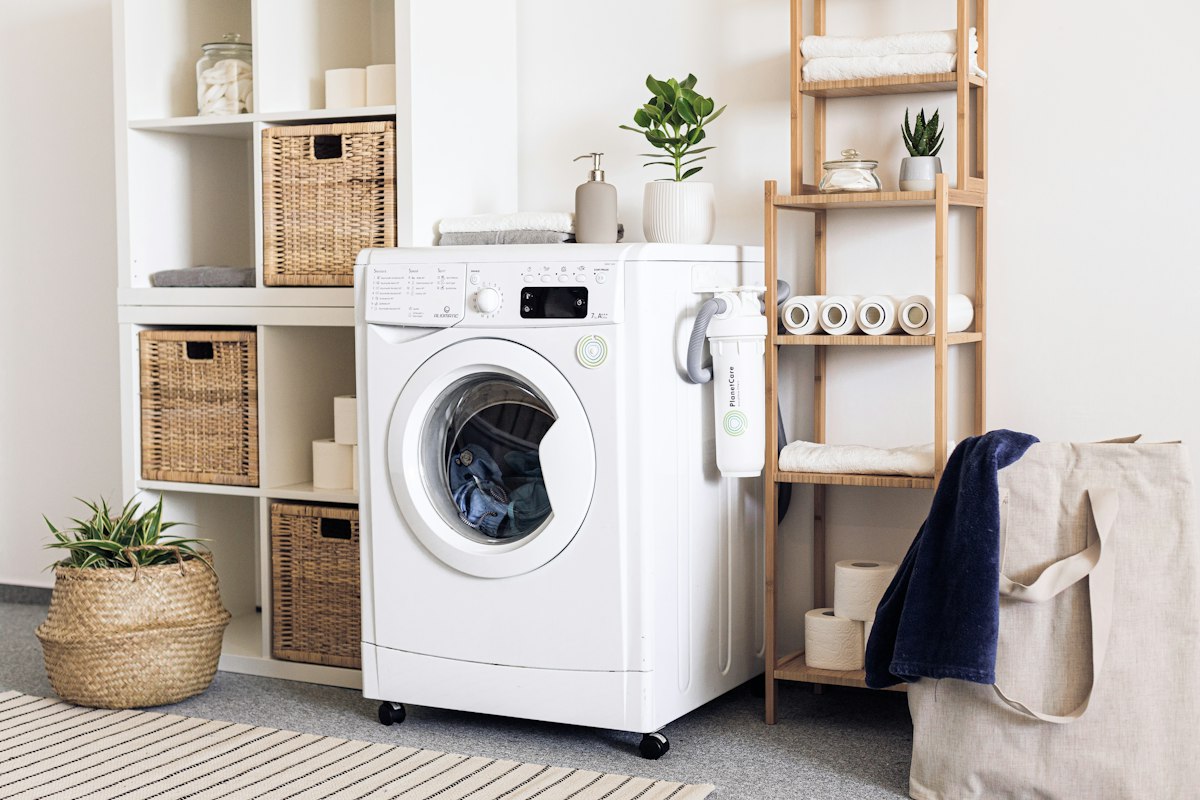
If you own a front-load washer in San Antonio, you've probably noticed that rubber door gasket can develop a dark, slimy film. Our humid climate and hard water from SAWS make this problem worse. That residue isn't just unsightly—it's mold and mildew that causes foul odors and can damage the seal over time, potentially leading to leaks and a $200-$400 repair bill.
The good news? Cleaning your washer's rubber gasket takes about ten minutes and costs next to nothing. Here's how to do it right.
What You'll Need
Gather these basic supplies before you start:
- White vinegar or bleach (never mix them)
- Baking soda
- An old toothbrush or small scrub brush
- Microfiber cloths or old towels
- A spray bottle
- Rubber gloves
Most folks already have these items under the sink. If you're buying new, expect to spend about $10 total at any San Antonio grocery store.
Step-by-Step Cleaning Process
Start by peeling back the rubber gasket gently. You'll likely find standing water, detergent residue, hair, and that black gunk hiding in the folds. This is where mold loves to grow.
Mix equal parts white vinegar and water in your spray bottle. Spray the entire gasket thoroughly, getting into all the folds and crevices. Let it sit for five minutes. The vinegar kills mold and breaks down mineral deposits from our hard San Antonio water.
Next, sprinkle baking soda on your toothbrush and scrub the gasket in circular motions. Pay special attention to the bottom where water pools. The baking soda provides gentle abrasion without damaging the rubber.
Wipe everything down with a damp microfiber cloth, then dry thoroughly with a clean towel. This step is crucial—leaving moisture behind defeats the whole purpose.
The Bleach Alternative
If you're dealing with heavy mold, use diluted bleach instead of vinegar. Mix one part bleach with four parts water, apply the same way, but rinse more thoroughly afterward. Never use bleach and vinegar together—the combination creates toxic fumes.
Prevention Tips That Actually Work
Cleaning the gasket every month prevents buildup, but daily habits matter more. After each wash cycle, wipe the gasket dry with a towel. Leave the washer door open for at least an hour so air can circulate—our San Antonio humidity makes this especially important during summer months.
Use high-efficiency (HE) detergent and measure carefully. Too much detergent creates excess suds that leave residue. Run a cleaning cycle with vinegar or a washer cleaner tablet monthly.
When Cleaning Isn't Enough
If your gasket shows cracks, tears, or permanent discoloration despite regular cleaning, it may need replacement. A damaged gasket will eventually leak, potentially causing water damage to your floors.
Sometimes the most economical choice is investing in a quality washer that's easier to maintain. If you're spending more time fighting mold than doing laundry, browse our $899 in-stock washer and refrigerator selection. We carry models designed to resist mold and handle San Antonio's water conditions. Our family has been helping local homeowners make smart appliance decisions for years, and we're here when you need honest advice.