
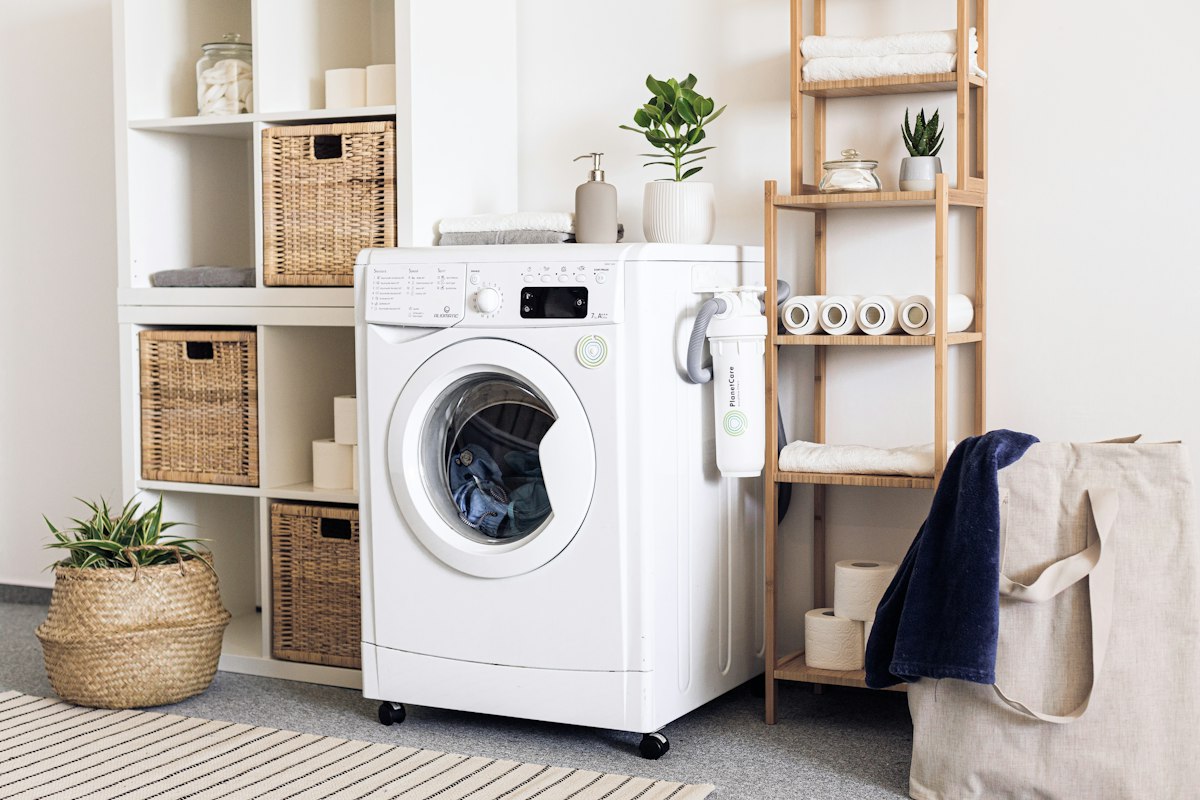
Moving a washer and dryer ranks among the most challenging household tasks. These appliances typically weigh 150-250 pounds each, and one wrong move can damage your floors, the machines themselves, or worse—cause serious injury. Whether you're relocating across San Antonio or just rearranging your laundry room, here's how to do it safely.
Gather the Right Equipment Before You Start
Don't attempt moving these heavy appliances without proper tools. You'll need an appliance dolly (not a furniture dolly—appliances need straps), moving blankets, and at least one strong helper. Rent an appliance dolly from a local hardware store for about $15-20 per day if you don't own one. You'll also want work gloves, packing tape, and zip ties to secure hoses and cords.
Clear a path from the laundry area to your exit. Measure doorways beforehand—standard washers are 27 inches wide, but some high-efficiency models run wider. Remove any obstacles that could trip you up when you're maneuvering a 200-pound machine.
Disconnect and Prepare Your Appliances
Start by unplugging both units. For the washer, turn off both hot and cold water valves, then disconnect the hoses. Keep a bucket and towels handy—water will drain out even if you think you've emptied the machine. Let the hoses drain completely, then tape them to the back of the washer.
Front-load washers require special attention. Install shipping bolts if you still have them (check your manual). These bolts prevent the drum from bouncing around during transport, which can destroy the suspension system. Replacement bolts cost $20-30 if you've misplaced the originals—money well spent compared to a $300 repair bill.
For dryers, disconnect the vent hose and secure the power cord. Gas dryers need professional disconnection—don't risk a gas leak trying to save $75 on a service call.
The Actual Move: Slow and Steady
Tilt the appliance back slightly and slide the dolly underneath. Strap it securely—two straps work better than one. One person guides from behind while the other steadies from the front or side. Take corners slowly, and watch for San Antonio's older homes with their narrow hallways and tricky doorframes.
Never lay a washer or dryer on its side during transport. This can damage internal components and cause leaks. Keep them upright in your truck or van.
When to Call for Help
If you're moving down stairs, dealing with a second-story laundry room, or you've got a bad back, hire professionals. Local movers charge $100-200 to move laundry appliances, which beats a trip to the emergency room or replacing a machine you've damaged.
If your washer or dryer doesn't survive the move—or if you're shopping for more move-friendly models—stop by our showroom. We stock quality units that we can deliver and install, taking the heavy lifting off your plate. Check out our $899 in-stock washer and refrigerator deals for reliable appliances backed by real service from people who understand San Antonio homes.