
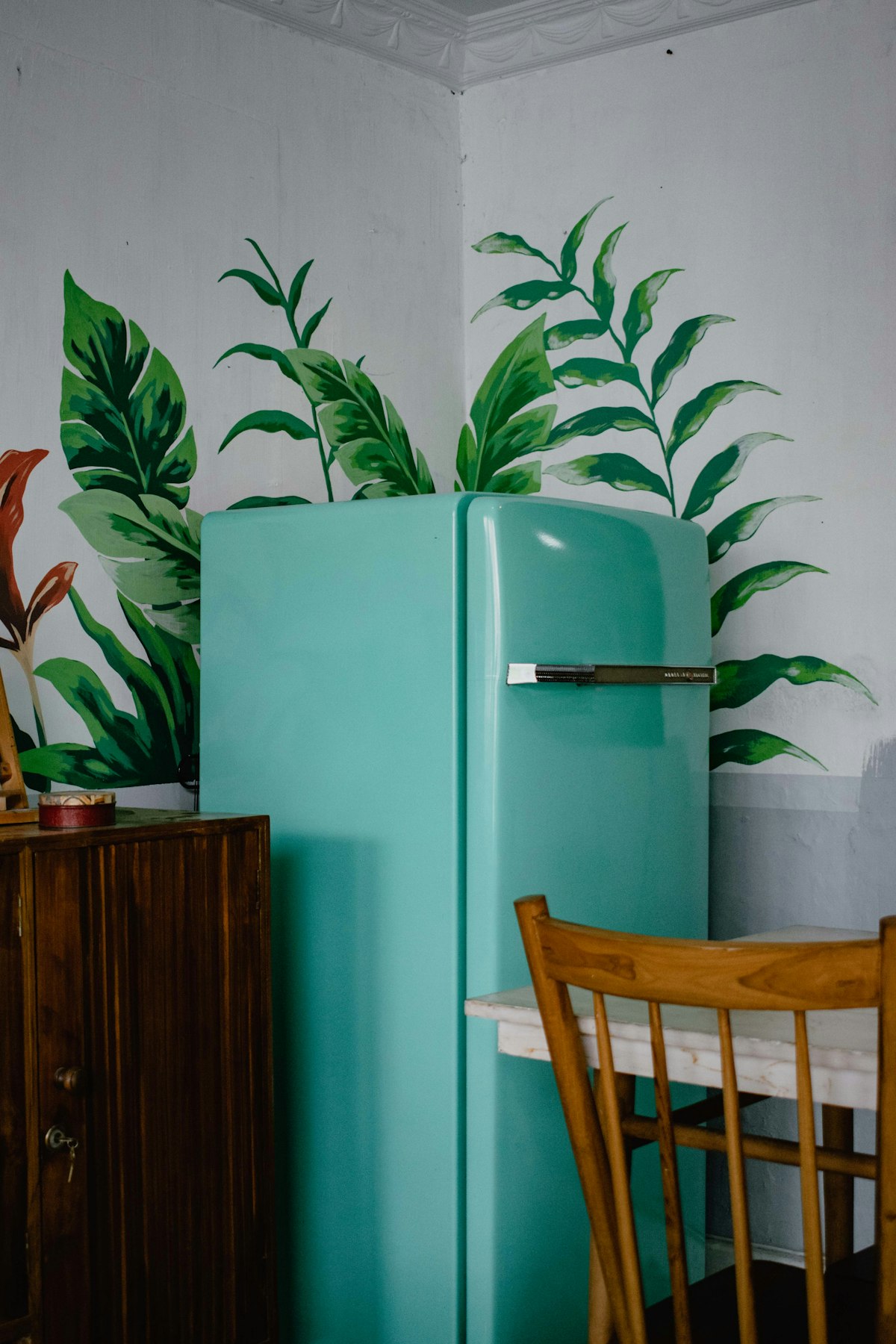
The average American family tosses out $1,500 worth of food every year, with much of that waste starting in a disorganized refrigerator. Here in San Antonio, where summer heat means we rely heavily on our fridges to keep food fresh, proper organization becomes even more critical. A well-organized refrigerator helps you see what you have, use items before they spoil, and ultimately save $40–60 per month on your grocery bill.
Understanding Your Refrigerator's Temperature Zones
Not all refrigerator shelves maintain the same temperature. The back of the fridge is coldest, while door shelves are warmest—often 5–7 degrees warmer. Upper shelves tend to have the most consistent temperatures, while lower shelves and drawers are coldest. Place dairy products and eggs on interior shelves rather than the door, despite those convenient built-in egg holders. Reserve door storage for condiments, juices, and other items that tolerate temperature fluctuations.
The Four-Zone Organization System
Divide your refrigerator into four functional zones:
- Top shelves: Ready-to-eat foods like leftovers, deli meats, and prepared meals. These should be at eye level so nothing gets forgotten.
- Middle shelves: Dairy products, eggs, and items you use daily.
- Lower shelves: Raw meat, poultry, and fish in sealed containers to prevent cross-contamination.
- Crisper drawers: Separate fruits and vegetables. Most modern refrigerators have humidity controls—use high humidity for leafy greens and low humidity for fruits.
The First-In, First-Out Rule
Restaurant kitchens use this method to prevent waste, and it works just as well at home. When you bring groceries home, move older items to the front and place new purchases behind them. This simple habit ensures you use food before expiration dates pass. Consider using clear storage containers instead of opaque ones—being able to see your leftovers means you're more likely to eat them. Label containers with masking tape and a marker, noting both contents and date.
Keep Your Refrigerator at the Right Temperature
Your refrigerator should maintain 37–40°F, while your freezer should stay at 0°F. In San Antonio's brutal summers, when your AC works overtime and your kitchen heats up, your refrigerator works harder to maintain proper temperatures. Check temperatures monthly with an inexpensive thermometer. If your fridge struggles to stay cold or runs constantly—driving up your CPS Energy bill—it may be time to evaluate whether repairs make sense or if replacement is more economical.
When Organization Isn't Enough
Even the best organization can't fix a refrigerator that's past its prime. If your fridge has inconsistent temperatures, excessive frost, or is more than 12 years old, you're likely wasting food despite your best efforts. A modern, energy-efficient model not only preserves food better but typically pays for itself in energy savings within 5–7 years. Browse our $899 in-stock washer and refrigerator selection to find reliable models that'll keep your food fresh and your utility bills manageable.