
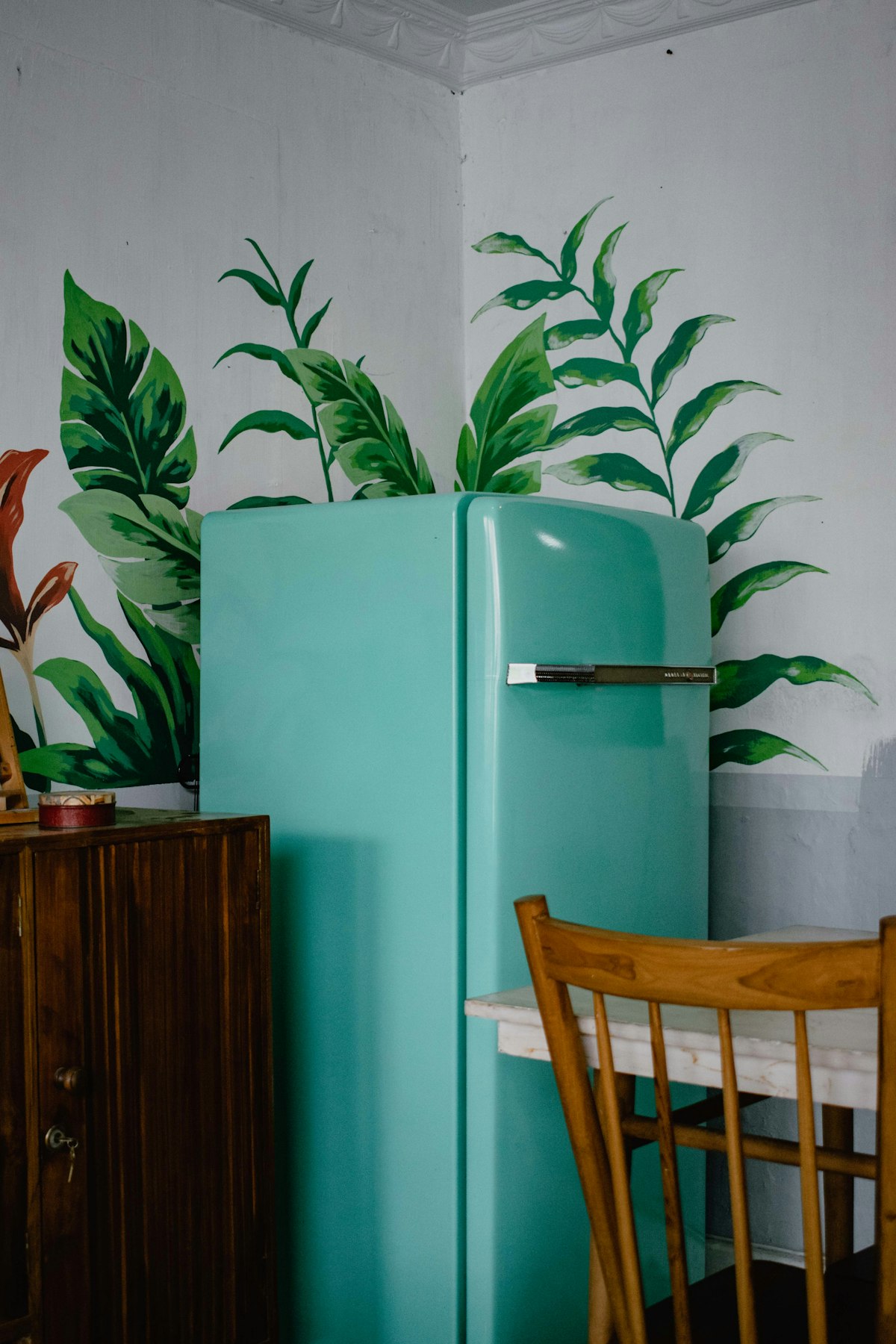
Buying a used refrigerator can save you hundreds of dollars, but it can also leave you with a broken appliance that costs more to fix than it was worth. Whether you're shopping on Facebook Marketplace, Craigslist, or from a neighbor, knowing how to properly test a used fridge before handing over your cash will protect your wallet and your peace of mind.
Check the Door Seals First
Start with the rubber gaskets around the doors. Close the door on a dollar bill and try to pull it out. If it slides out easily, the seal is weak and cold air is escaping. That means your compressor will run constantly, driving up your CPS Energy bill by $10-20 a month or more during our brutal San Antonio summers. Replacing door seals costs $75-150, so factor that into your offer price if they're worn.
Listen to the Compressor
Ask the seller to plug in the refrigerator and let it run for at least 30 minutes before you arrive. When you get there, listen carefully. You should hear a low, steady hum. If you hear clicking, grinding, or loud rattling, the compressor is likely failing. A compressor replacement runs $300-600 in parts and labor—often more than the used fridge is worth. Walk away from any unit making strange noises.
Inspect the Interior and Exterior Condition
Open the doors and look inside. Check for cracks in the shelves, rust spots, or mold in hard-to-reach corners. Heavy rust or mold might indicate water leaks or poor maintenance. Examine the back of the unit for bent condenser coils or accumulated grime; dirty coils make the refrigerator work harder and fail sooner. Also check that the drain pan isn't cracked and that the defrost drain isn't clogged.
Test the Temperature Controls
If the fridge has been running for a while, feel inside both the refrigerator and freezer compartments. The fridge should feel noticeably cold (ideally 37-40°F), and the freezer should be properly frozen (0°F or below). If you brought a simple thermometer, even better. Uneven cooling or warm spots suggest failing components. Also, adjust the temperature dial and listen for the compressor to respond within a few minutes.
Know When to Buy New Instead
A used refrigerator older than 10 years or priced above $300 is rarely a good deal. Modern fridges are more energy-efficient, and repair costs on aging units add up fast. If you're spending $250 on a used fridge that might need $150 in seals and cleaning, you're approaching half the cost of a reliable new model. For dependable cooling without the guesswork, consider our $899 in-stock washer and refrigerator options that come with a manufacturer's warranty and professional installation. Sometimes peace of mind is worth a few extra dollars upfront.