
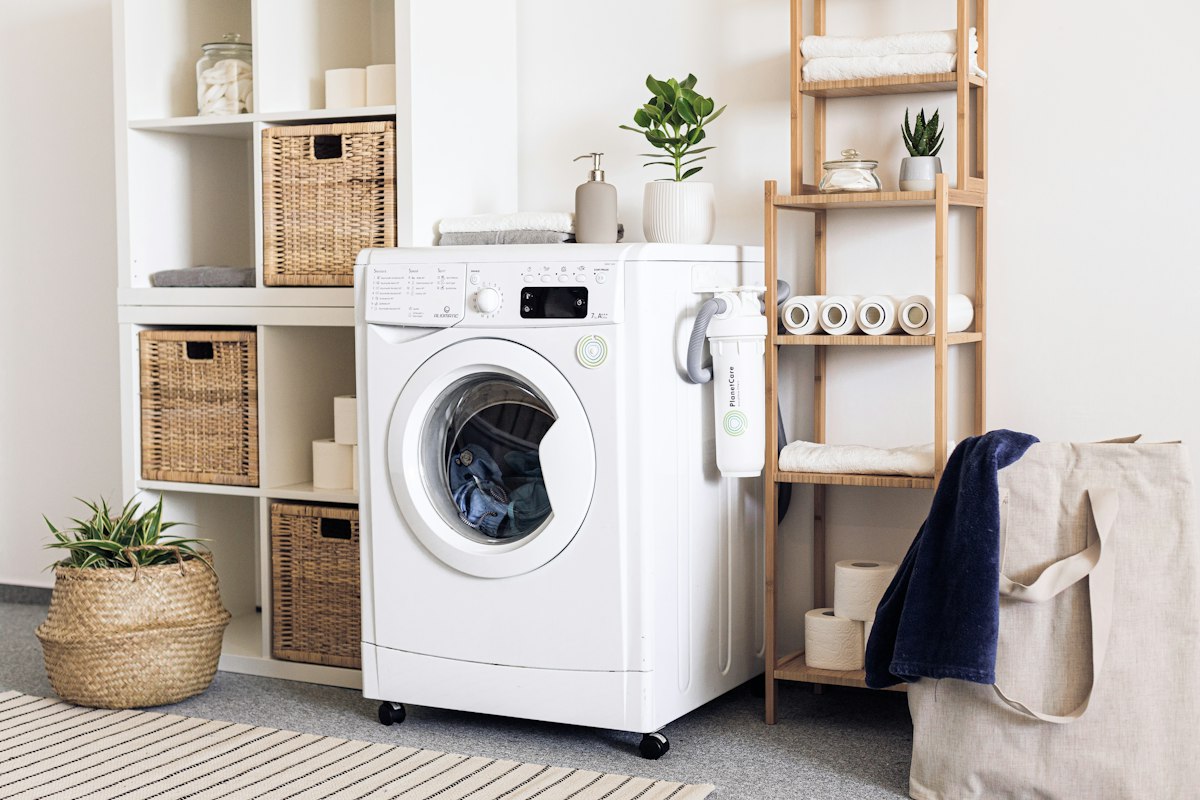
Buying a used washing machine can save you hundreds of dollars upfront, but only if the machine actually works. A washer that quits after two weeks can turn a $150 bargain into a $400 repair headache. Before you hand over cash for that Craigslist or Facebook Marketplace find, spend fifteen minutes running through these tests. Your wallet will thank you.
Start With a Visual Inspection
Look at the machine before you plug it in. Check the drum for rust spots, cracks, or sharp edges that could snag clothes. Spin the drum by hand—it should rotate smoothly without grinding sounds. Inspect door seals on front-loaders for mold, tears, or missing chunks. These seals run $80-$120 to replace, and moldy ones never quite come clean.
Pull out the detergent dispenser drawer. If it's caked with old soap and mildew, the previous owner didn't maintain the machine well. That's a red flag for hidden problems. Check hoses for cracks or brittleness, especially if the washer has been stored in a Texas garage through summer heat.
Run a Complete Wash Cycle
This is non-negotiable. Always run a full cycle with water before buying. Fill the drum with a few towels (or ask the seller to provide them), add detergent, and select a normal wash with warm water. Watch and listen for the entire cycle—yes, all 45 minutes if needed.
During the fill cycle, check for leaks around hoses, the door seal, and underneath. A small drip now becomes a flooded laundry room later. Listen for the motor. Healthy washers hum steadily. Grinding, squealing, or knocking sounds mean bearing or belt problems that cost $150-$300 to fix.
Test the Spin and Drain Functions
Pay close attention when the machine shifts to spin cycle. It should drain completely and spin up to speed within a minute. Clothes should come out damp but not dripping. If water remains in the drum or clothes are soaking wet, the pump or drain system has issues.
Watch for excessive shaking. All washers vibrate somewhat, but a machine that walks across the floor or bangs violently likely has worn suspension rods or an unbalanced drum. In San Antonio's older homes with wooden floors, a shaky washer can cause real structural annoyance.
Check the Control Panel and Settings
Test every button, knob, and setting. Cycle through temperature options and verify that hot water actually comes out hot (if connected). Electronic panels should light up completely with no dead pixels or error codes. A malfunctioning control board costs $200-$350 to replace—more than many used washers are worth.
Know When to Walk Away
If the seller won't let you test the machine, won't provide water hookups for testing, or pressures you to "take it as-is," walk away. That $100 savings isn't worth the gamble. Sometimes the smarter move is buying a reliable new machine with a warranty. Our $899 in-stock washer and refrigerator options come with manufacturer backing and our family's 40-year reputation standing behind them—peace of mind you'll never get from a stranger's garage.