
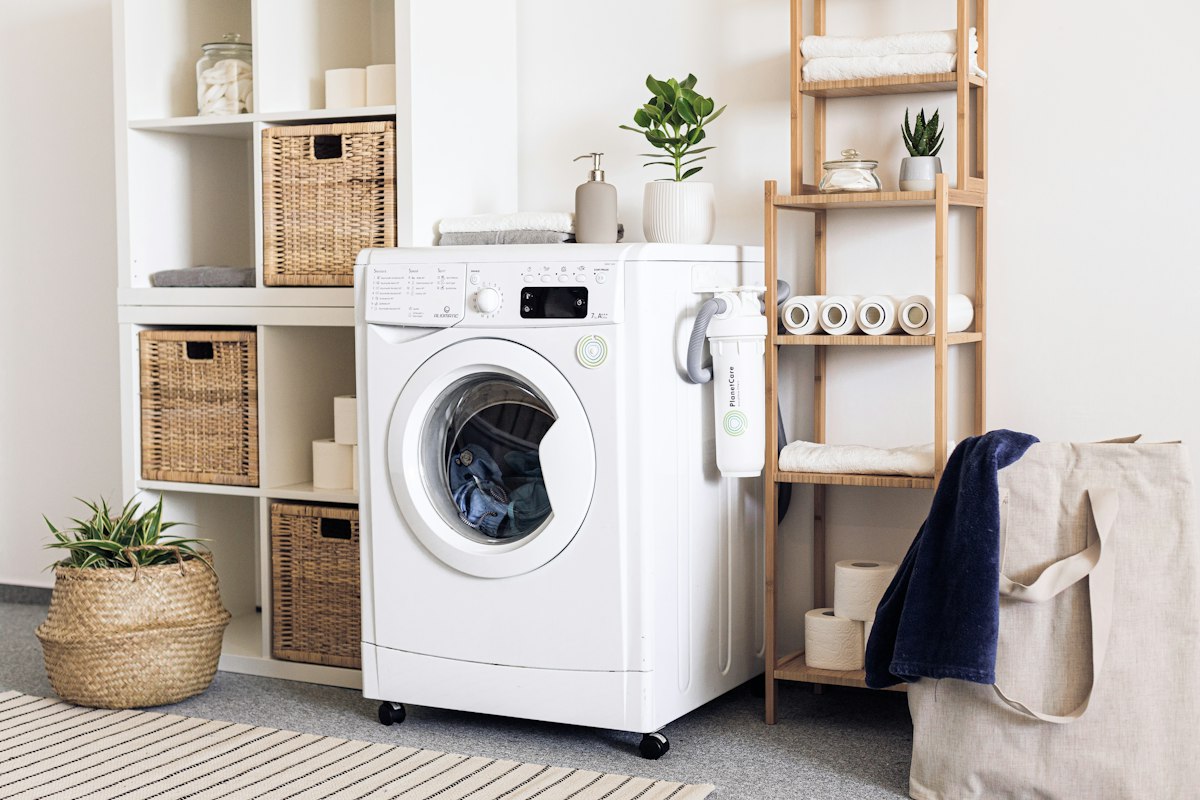
Portable washers have come a long way from the clunky machines your grandmother might remember. Today's models range from countertop units that handle a few shirts to wheeled machines that wash a decent load. But they're still a compromise—and understanding when that compromise makes sense can save you money and frustration.
Who Actually Benefits From Portable Washers
If you're renting an apartment in San Antonio without washer hookups, a portable machine beats hauling laundry to a laundromat in 98-degree heat. The same goes for ADU residents, college students in shared housing, or anyone living in older homes where adding traditional hookups means thousands in plumbing work.
Portable washers shine when you physically cannot install a standard machine. They hook up to your kitchen faucet, drain into the sink, and roll into a closet when not in use. For a single person or couple doing two to three small loads weekly, that's often enough.
The Real Limitations You Need to Know
Capacity is the biggest issue. Most portable washers hold 6-11 pounds of laundry—roughly one full-size bath towel and some clothes. You'll run multiple loads for what a standard washer handles in one cycle. If you have kids, work outdoors, or generate significant laundry volume, you'll quickly outgrow a portable unit.
Wash quality varies dramatically. Budget models under $200 are essentially agitator buckets. Expect $400-$700 for units with proper wash cycles, spin speeds above 1000 RPM, and build quality that lasts beyond a year. In San Antonio's hard water (courtesy of SAWS), cheaper models also struggle with detergent residue.
Most portable washers use cold water only or lukewarm at best, since they connect to a single faucet. That limits stain removal and sanitizing ability—important in our humid climate where mildew loves to grow.
The Economics: Short-Term vs. Long-Term
At $1.75-$2.50 per load at San Antonio laundromats, a $500 portable washer pays for itself in about 200-250 loads—roughly six months for an average user. That math works if you're renting short-term or saving up to buy a house.
But if you're staying put for years, the total cost shifts. A quality standard washer runs $700-$1,200 and handles three times the capacity with better cleaning performance. Over five years, the efficiency gap widens—especially when you factor in your time running multiple small loads.
When to Choose Standard Equipment Instead
If you own your home or your landlord allows installations, invest in proper equipment. Even a basic stacked washer-dryer combo costs less per year of service than cycling through portable machines. The $200 plumbing connection fee is money well spent.
Families with children should skip portables entirely unless absolutely no alternative exists. The capacity and cleaning power aren't adequate for the laundry volume kids generate.
If you're house hunting or planning to move within 18 months, portable washers make sense as a stopgap. Beyond that timeframe, you're better served by standard machines. Check out our $899 in-stock washer and refrigerator options that'll serve you for 12-15 years with proper care—a far better long-term value for most San Antonio households.