
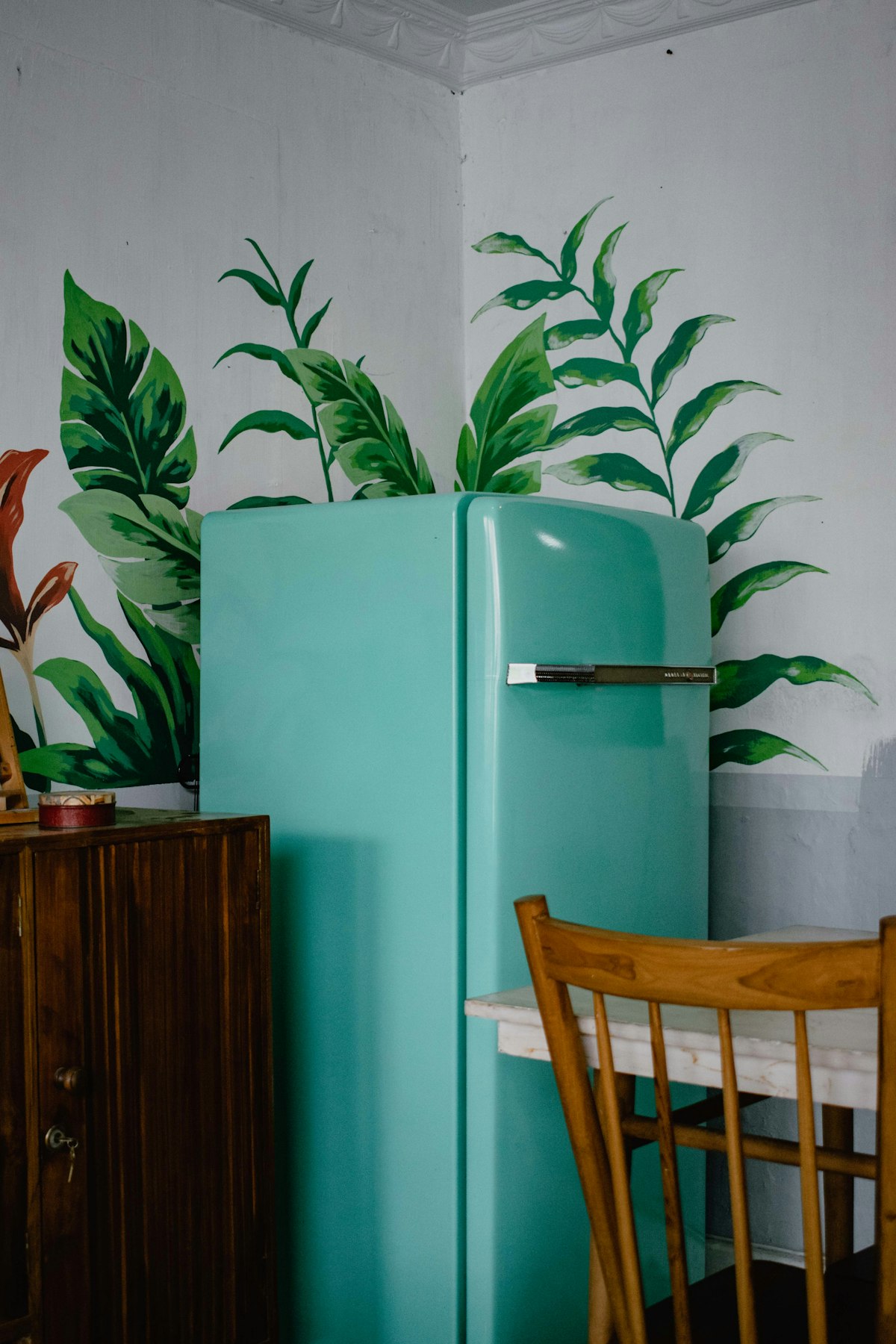
When you're shopping for a new refrigerator in San Antonio, you'll likely encounter the term "R-600a" on specification sheets. This refrigerant has become the standard in modern appliances, and understanding what it means can help you make a smarter purchasing decision—especially when those CPS Energy bills climb during our brutal summers.
What Is R-600a Refrigerant?
R-600a is simply isobutane, a natural hydrocarbon used as a refrigerant in modern appliances. Unlike older synthetic refrigerants like R-134a or the now-banned R-12 (Freon), R-600a comes from natural sources. It's been the European standard since the 1990s and has steadily replaced synthetic options in the United States over the past decade.
The shift happened for good reason. R-600a has a global warming potential (GWP) of just 3, compared to R-134a's GWP of 1,430. In plain terms, if refrigerant leaks into the atmosphere, R-600a does almost no damage to the environment.
Energy Efficiency and Your Electric Bill
Here's where R-600a directly affects your wallet. Refrigerators using R-600a typically consume 30-40% less energy than those with older refrigerants. For a San Antonio household, that can translate to $50-$80 in annual CPS Energy savings—real money that adds up over a refrigerator's 12-15 year lifespan.
R-600a works more efficiently because it requires less refrigerant overall. While an R-134a system might need 5-6 ounces of refrigerant, an R-600a system only needs 1-2 ounces. Less refrigerant means the compressor works less, which means lower energy consumption and a quieter appliance.
Safety Considerations
Some folks worry when they hear "isobutane" because it's flammable. Here's the honest truth: yes, R-600a is technically flammable, but the tiny amounts used (remember, just 1-2 ounces) pose minimal risk. Manufacturers design these systems with multiple safety layers, and the refrigerant is sealed in a closed loop.
You face far more everyday risks from the natural gas in your water heater or stove. The appliance industry and regulatory bodies worldwide have thoroughly tested R-600a systems and deemed them safe for residential use.
What This Means for Repairs
If your R-600a refrigerator ever needs service, most qualified technicians can handle it. However, R-600a requires different handling equipment than older refrigerants, so make sure you work with certified professionals.
Repair costs are generally comparable to older systems, typically running $200-$400 for common fixes. The good news: R-600a systems often have fewer breakdowns because the simpler design has fewer components to fail.
Making the Right Choice
When you're ready to upgrade, look for refrigerators specifically advertising R-600a refrigerant. These models deliver better long-term value through lower operating costs and environmental responsibility. At our store, we stock energy-efficient models that'll serve San Antonio families well through countless summer heat waves. Check out our $899 in-stock washer and refrigerator options to see how modern refrigerant technology can work for your home and budget.