
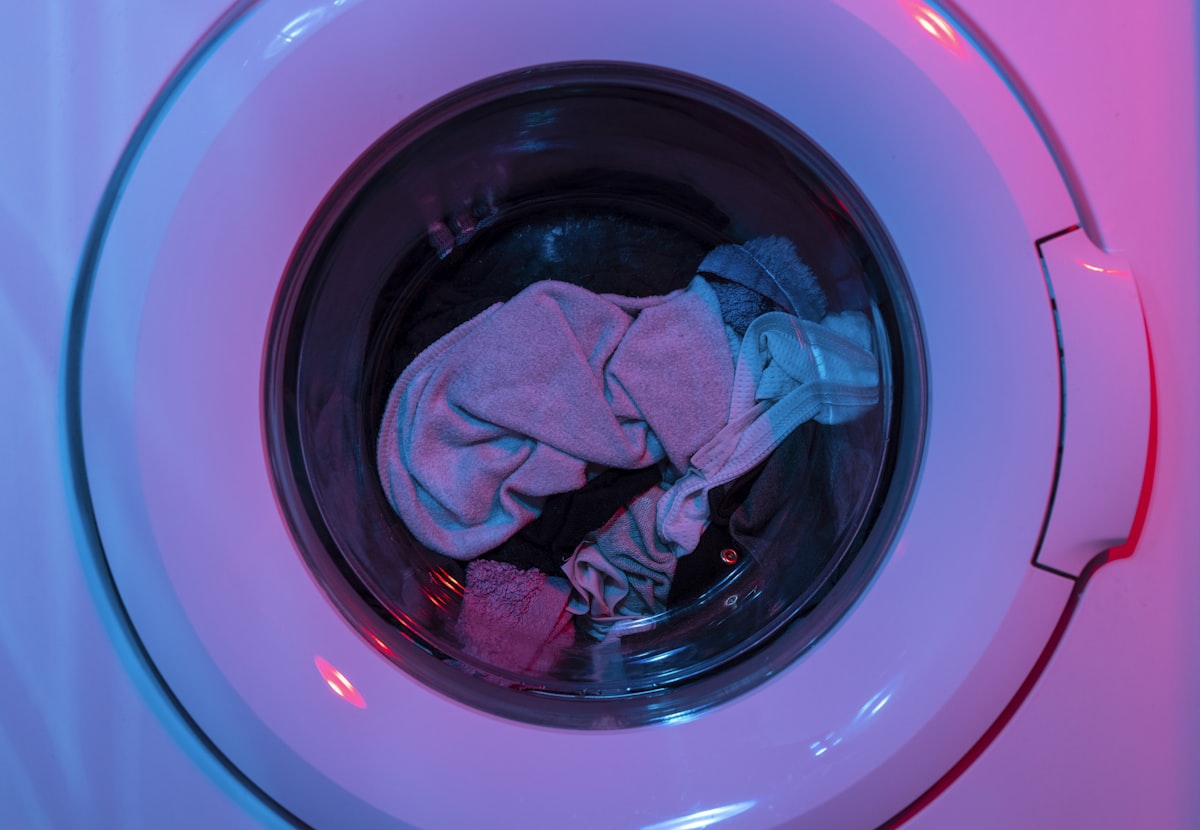
When you're setting up a laundry area in your San Antonio home, one of the first decisions you'll face is whether to go stackable or side-by-side. Both configurations have real advantages, and the right choice depends on your space, budget, and how you actually use your machines. Let's walk through what matters most.
Understanding Your Space Constraints
The biggest factor is simple: how much floor space do you have? Side-by-side setups need roughly 54 to 60 inches of width, while stackable units can fit in closets as narrow as 27 inches wide. In older San Antonio neighborhoods with smaller utility rooms or apartment conversions, stackables often become the only realistic option.
Ceiling height matters too. Stackable configurations need at least 75 inches of vertical clearance—sometimes more depending on the model. If you're working with a standard 8-foot ceiling, you'll be fine. Measure twice before you buy, especially if you're dealing with dropped ceilings or bulkheads.
The Budget Reality
Stackable units typically cost $1,200 to $2,500 for the pair, though quality front-load models can run higher. Side-by-side configurations offer more flexibility—you can mix top-load washers (often $600-$900) with standard dryers ($500-$800), or go with matching front-loaders for $1,800 to $3,000 total.
Installation costs differ too. Stackables sometimes need stacking kits ($100-$150) and may require professional installation if you're not comfortable lifting 150+ pounds. Side-by-side setups are generally easier to install yourself, which saves $100-$200 in labor.
Daily Use and Accessibility
Here's where personal preference comes in. If anyone in your household has back or knee issues, reaching into a top-load washer or accessing a stacked dryer can be challenging. The controls on stacked dryers sit at eye level, which is convenient, but loading and unloading that high drum isn't easy for everyone.
Side-by-side front-loaders put both machines at a comfortable height, especially if you add pedestals (another $200-$300 each, but worth considering). You can sort laundry on top of the machines, and everything stays within easy reach.
Energy and Water Efficiency in South Texas
With CPS Energy rates and San Antonio's hot summers, efficiency matters. Most stackable units are front-loaders, which typically use 40-50% less water than top-loaders—important when SAWS water bills climb during drought restrictions. They also extract more moisture during the spin cycle, cutting dryer time and electricity costs.
That said, newer top-load washers have improved significantly. An Energy Star certified top-loader paired with a moisture-sensing dryer can deliver solid efficiency at a lower upfront cost.
Making Your Decision
Choose stackable if you're tight on width, have adequate ceiling height, and don't mind the vertical access. Go side-by-side if you have the floor space, want easier loading, or prefer a top-load washer. Either way, invest in quality machines that'll last 10-15 years rather than budget models that fail in five. Stop by and we'll show you our $899 in-stock washer and refrigerator options that deliver reliable performance without breaking the bank.