
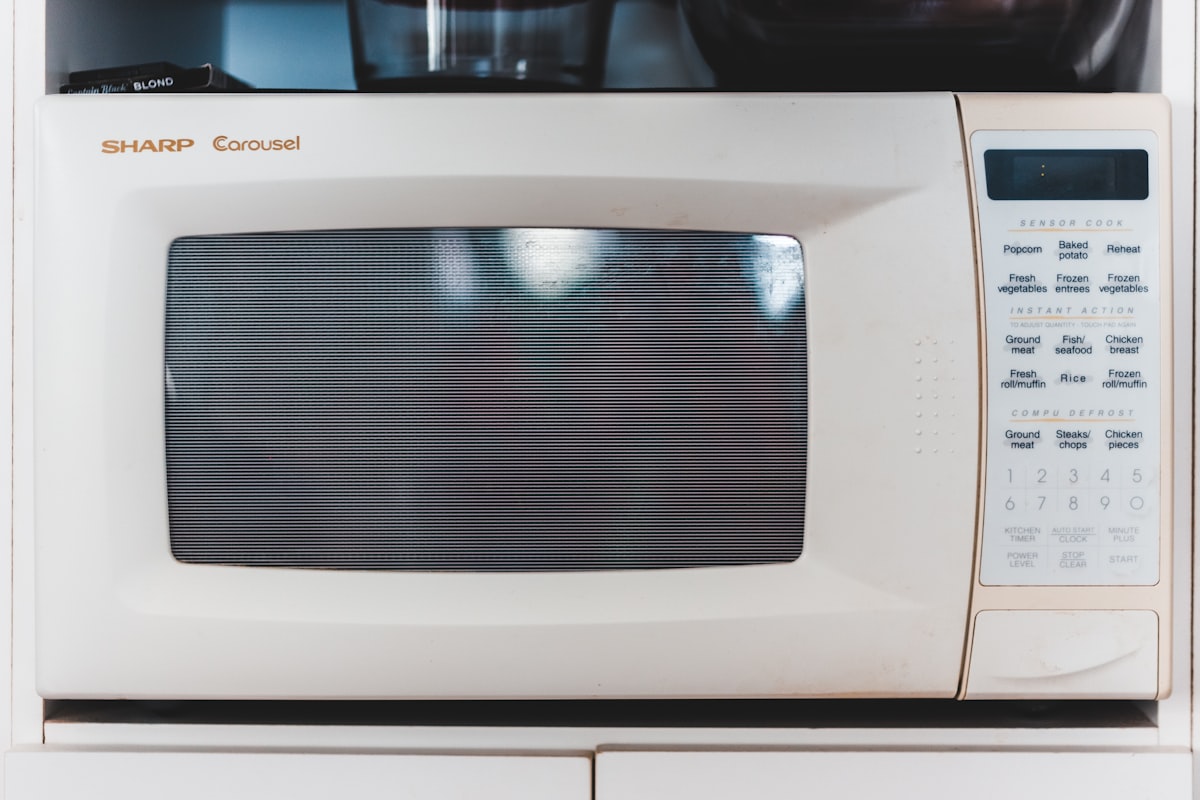
Walk through your house right now and count the tiny lights glowing on your appliances. That cable box. The microwave clock. Your washing machine's display panel. Every one of those lights represents electricity being pulled from the grid—and dollars being added to your CPS Energy bill—even when you're not using the appliance.
This silent drain is called standby power, phantom load, or vampire power. And in San Antonio's average home, it's costing you between $100 and $200 every year.
What Appliances Draw the Most Standby Power?
Not all appliances are equal offenders. Your refrigerator needs to run constantly, so that's not standby power—that's working power. But other appliances sit idle most of the day while still sipping electricity:
- Cable boxes and DVRs: $20-30 per year each
- Desktop computers and monitors: $15-25 per year
- Microwaves with digital displays: $4-8 per year
- Washer and dryer with electronic controls: $8-15 per year combined
- Coffee makers with clocks: $3-6 per year
- Gaming consoles in standby mode: $10-15 per year
Those numbers seem small individually, but they add up fast when you've got a dozen devices drawing power 24/7.
The Real Cost in San Antonio
CPS Energy rates hover around 12-14 cents per kilowatt-hour, depending on your usage tier and time of year. With summer rates climbing higher, standby power becomes even more expensive. A household with typical electronics and appliances might waste 300-500 kilowatt-hours annually just on standby draw.
Do the math: 400 kWh × $0.13 = $52 per year minimum. Add in multiple TVs, chargers left plugged in, and older appliances with inefficient standby modes, and you're easily hitting $150-200 annually.
Newer Appliances Use Less Standby Power
Here's the good news: appliances manufactured in the last five years generally use 50-75% less standby power than models from 2010 or earlier. Federal efficiency standards have tightened significantly, especially for washers, dryers, and refrigerators.
An old washing machine might draw 8-10 watts continuously to power its control panel. A new Energy Star model draws 1-2 watts. Over a year, that's the difference between $10 and $2 on your electric bill—just for the standby mode.
Refrigerators have seen similar improvements. Older models with constant displays and through-door ice makers can waste 15-20 watts on standby functions alone, while newer units are designed to minimize every watt.
Simple Ways to Cut Standby Costs
You don't need to unplug everything constantly. Focus on the biggest offenders: use power strips for entertainment centers and turn them off at night, unplug chargers when not actively charging, and consider replacing older appliances that run hot even when "off."
If your washer is twelve years old and warm to the touch even when not running, you're likely losing money every month in standby draw alone—not to mention the higher water and energy costs during actual use. When you're ready to upgrade to an efficient model that pays for itself, come see our $899 in-stock washer and refrigerator options that cut both standby and operating costs from day one.