
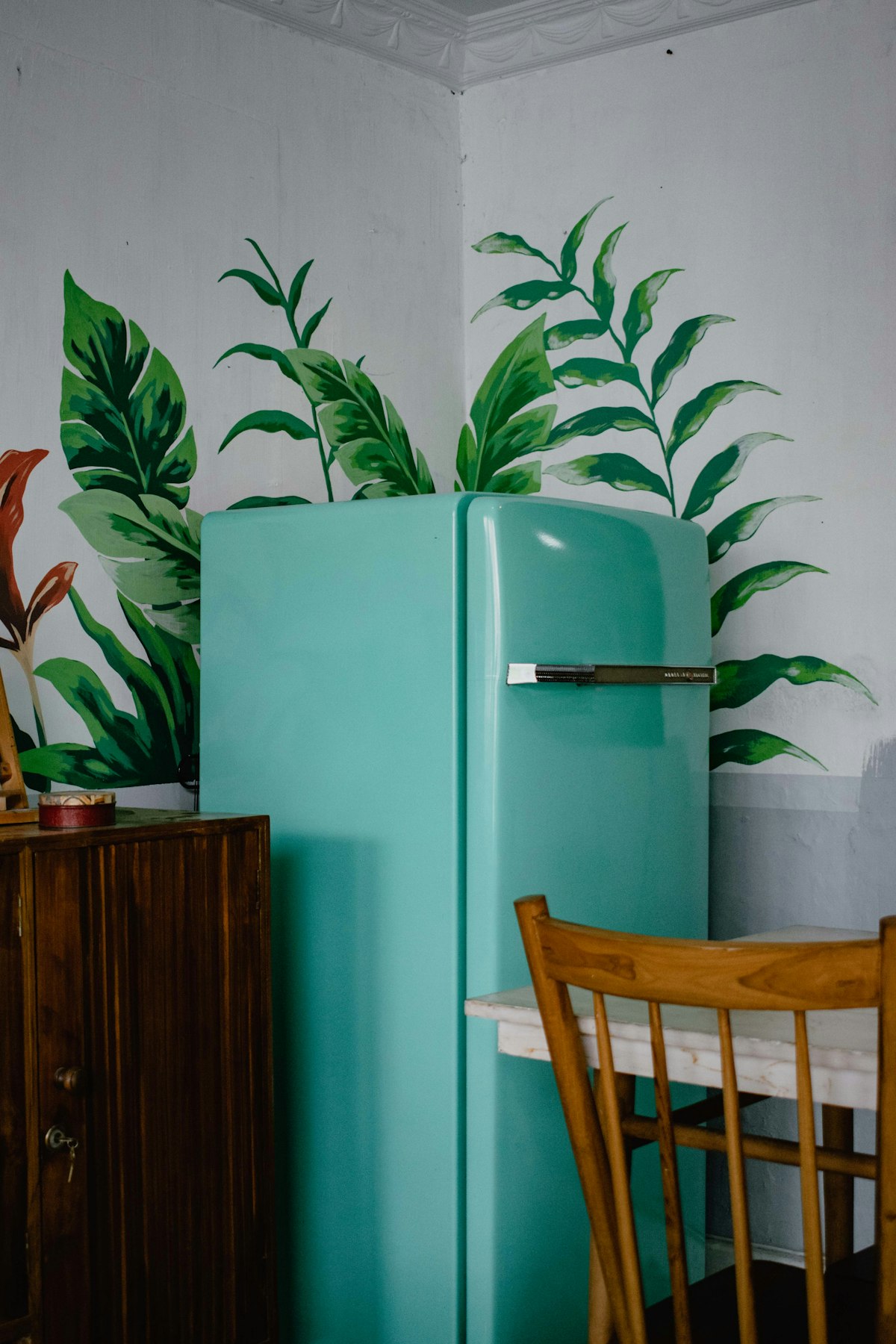
When the refrigerator stops cooling in a San Antonio rental property, the first question is usually the same: who's responsible for fixing it? The answer depends on your lease agreement, Texas property code, and whether the appliance came with the unit. Understanding these responsibilities can save both tenants and landlords time, money, and frustration.
What Texas Law Says About Appliance Repairs
Under Texas Property Code Section 92.052, landlords must provide and maintain appliances that are included in the lease agreement. If your rental came with a refrigerator, the landlord is generally responsible for keeping it in working order. This isn't just a courtesy—it's the law. The refrigerator must work properly to meet basic habitability standards, especially during San Antonio's brutal summers when food spoilage happens within hours.
However, if the appliance breaks due to tenant misuse or negligence, the cost typically shifts to the renter. Leaving the door open overnight, damaging the coils, or overloading shelves might make you liable for repairs.
When Landlords Must Act Quickly
Refrigeration isn't just convenience—it's a health issue. Texas courts have ruled that landlords must address broken refrigerators promptly, usually within seven days of written notice. In San Antonio's summer heat, waiting longer than that can mean hundreds of dollars in spoiled groceries. If your landlord drags their feet, document everything. Take photos, save texts, and keep receipts for any food loss.
Landlords should budget $200-$600 for most refrigerator repairs in San Antonio. A failed compressor might run $400-$500, while a simple thermostat replacement costs around $150-$250. When repair costs approach 50% of replacement value, buying new makes more financial sense.
What the Lease Agreement Controls
Your lease is the governing document. Some San Antonio landlords specifically exclude appliance maintenance from their responsibilities, especially for older units or properties rented "as-is." Read your lease carefully before signing. If the refrigerator isn't mentioned in the lease, the landlord typically isn't required to provide or fix one—though most do as a competitive amenity.
Month-to-month tenants have less protection than those with fixed-term leases. Landlords can modify appliance responsibilities with 30 days' notice unless you're in a rent-controlled situation.
Smart Solutions for Both Parties
Tenants should report problems immediately in writing. Send an email or text, and follow up with certified mail if needed. Taking quick action protects your security deposit and your groceries. Meanwhile, keep the refrigerator clean and don't tamper with temperature controls or mechanical parts.
Landlords should consider appliance warranties or home warranty plans that cover rental properties. A policy covering major appliances typically runs $400-$600 annually but can save thousands when a compressor fails. Regular maintenance checks between tenants also prevent emergency breakdowns.
Whether you're a tenant dealing with an unresponsive landlord or a property owner tired of repair bills, sometimes replacing an unreliable unit is the smartest move. If you need a dependable refrigerator for your San Antonio rental property, check out our $899 in-stock washer and refrigerator options that come with solid warranties and honest advice from people who've served this community for years.