
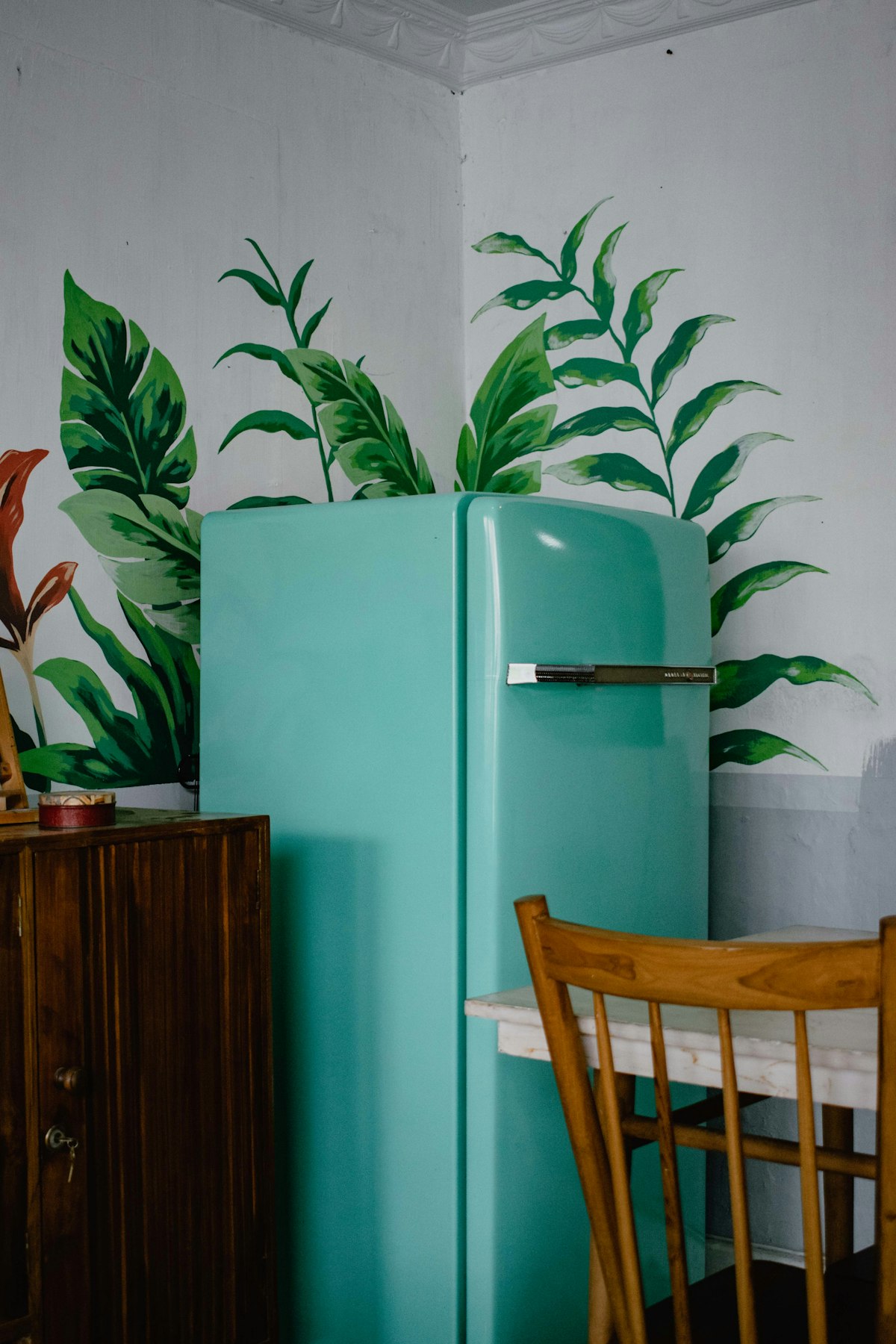
Walking into a showroom and falling in love with a shiny new refrigerator is easy. Getting that same refrigerator through your doorway and into your kitchen? That's where many San Antonio homeowners hit a wall—literally. Before you spend $1,200 to $3,500 on a new fridge, grab a tape measure and spend fifteen minutes doing homework that'll save you from delivery-day heartbreak.
The Three Critical Measurements You Must Take
Start with your existing refrigerator space. Measure the height from floor to the bottom of any overhead cabinets, the width between cabinets or walls, and the depth from the back wall to the front of your counters. Write these numbers down—and subtract one inch from height and width, plus one inch from depth for proper ventilation and door clearance.
Next, measure every doorway and hallway between your front door and kitchen. That gorgeous 36-inch-wide French door model won't matter if your interior doorway is only 32 inches wide. Measure diagonally too, since delivery crews often tilt appliances to navigate tight corners.
Standard Refrigerator Sizes Explained
Most refrigerators fall into predictable categories. Top-freezer models typically measure 28-33 inches wide, 61-66 inches tall, and 29-34 inches deep—these remain the most affordable option, usually starting around $650. Bottom-freezer and side-by-side models range from 32-36 inches wide and can stretch to 70 inches tall.
French door refrigerators, increasingly popular in San Antonio's newer construction, commonly measure 32-36 inches wide but often exceed 70 inches in height. With our CPS Energy rates, these larger models can cost $15-25 more monthly to run than smaller units, so factor that into your budget.
Counter Depth vs. Standard Depth
Standard-depth refrigerators stick out 6-8 inches past your counters, which works fine in most kitchens. Counter-depth models align flush with cabinetry for a built-in look, measuring around 24-27 inches deep (excluding handles and doors). You'll sacrifice roughly 20% of interior capacity and pay $300-800 more for that streamlined appearance.
In tighter San Antonio kitchens where traffic flow matters, counter-depth models prevent the refrigerator from becoming an obstacle. But families loading up at H-E-B every week often need that extra cubic footage that standard-depth models provide.
Don't Forget About Clearances and Airflow
Your new refrigerator needs breathing room. Most manufacturers require at least one inch on each side and one inch above for proper airflow. Without adequate ventilation, compressors work overtime in our Texas heat, shortening appliance lifespan and hiking electricity bills.
Also consider how far doors swing open. A refrigerator may technically fit in your space, but if the door only opens 90 degrees before hitting a wall, you'll curse that decision every time you wrestle out the milk jug.
Getting measurements right the first time means your refrigerator arrives, fits perfectly, and starts keeping your groceries cold immediately. Whether you're replacing an old unit or upgrading to something more efficient, stop by and see our $899 in-stock washer and refrigerator selection—and bring those measurements with you. We'll help match the right size to your actual kitchen, not just your wishlist.