
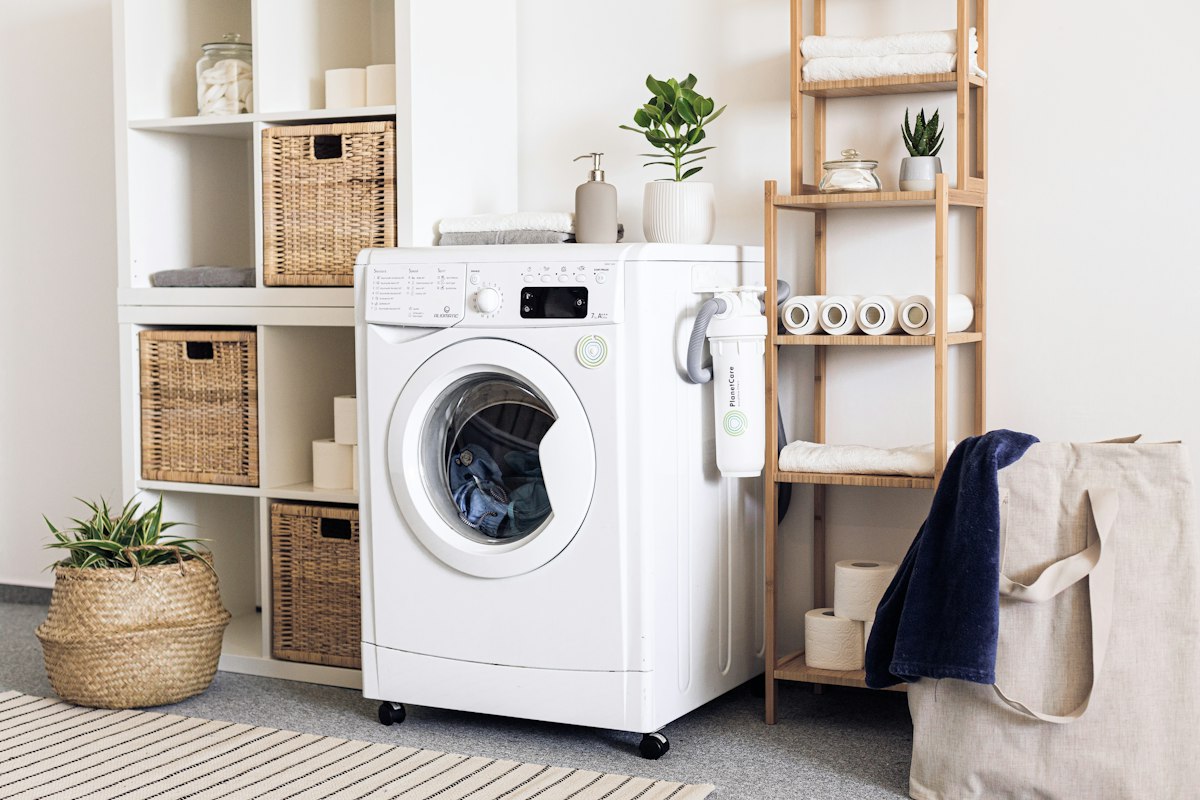
If you've noticed a sour, musty smell coming from your front-load washer—or worse, from your freshly "cleaned" clothes—you're not alone. This is one of the most common complaints we hear at our San Antonio shop, especially during our humid summer months when moisture just doesn't want to evaporate.
The good news? This problem is fixable, and in most cases, preventable.
Why Front-Loaders Smell Worse Than Top-Loaders
Front-load washers use less water than traditional top-loaders, which is great for your SAWS water bill. But that water-tight rubber door gasket that keeps water inside during the wash cycle also traps moisture after the cycle ends. Add in a bit of detergent residue, lint, and San Antonio's humidity, and you've created a perfect breeding ground for mold and mildew.
Top-loaders don't have this problem as much because they're open at the top and air circulates naturally. Front-loaders seal tight, and if you close that door right after a load, you're asking for trouble.
The Real Culprits Behind the Stink
Three things typically cause that smell:
- Too much detergent: HE washers need HE detergent, and less of it than you think—usually one to two tablespoons max. Extra suds don't rinse away completely and leave a film where bacteria thrives.
- Dirty door gasket: That rubber seal collects water, hair, and gunk. Lift it up and you'll probably find a black, slimy layer.
- Closed door: Closing the door after a wash traps moisture inside the drum for hours.
The Four-Step Fix That Actually Works
Here's what we tell customers who come in complaining about the smell:
Step 1: Run a cleaning cycle with two cups of white vinegar (no clothes, no detergent). If your washer has a "clean washer" cycle, use it. Otherwise, run the hottest, longest cycle available.
Step 2: Wipe down the rubber gasket with a solution of equal parts water and vinegar, or use a bit of bleach diluted in water. Get into all the folds—that's where the nastiest buildup hides.
Step 3: Leave the door cracked open after every load. Yes, every single one. This lets air circulate and moisture evaporate.
Step 4: Use less detergent. Seriously. If you're pouring to the fill line, you're using too much.
When It's Time to Replace Instead of Repair
If you've tried everything and the smell persists, or if your washer is more than ten years old and showing other issues, it might be time to move on. A quality front-loader should last 10-12 years with proper care, but once mold gets into the internal hoses and pump, it's nearly impossible to eliminate completely.
Replacing a worn-out, smelly washer doesn't have to break the bank. We keep our $899 in-stock washer and refrigerator options ready for San Antonio families who need reliable appliances without the runaround. Sometimes the most practical solution is starting fresh with a machine you'll actually maintain from day one.