
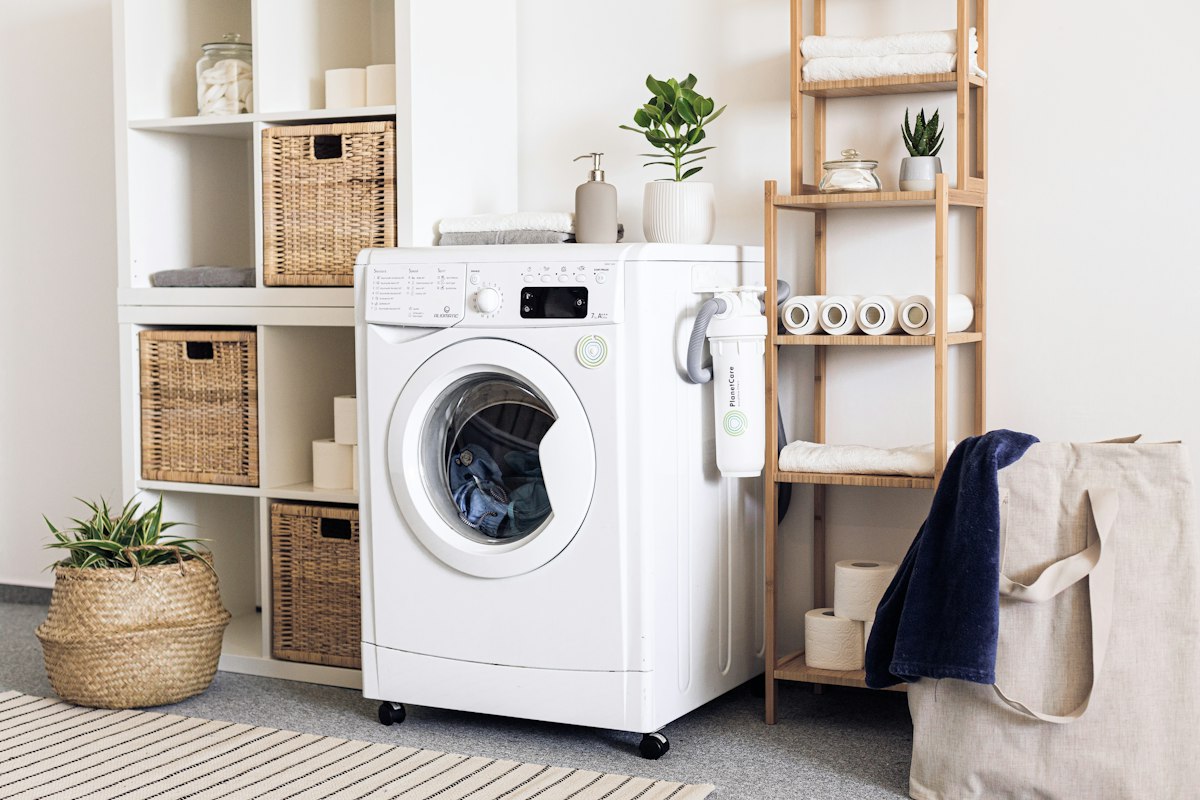
You're folding laundry in the next room when you hear it—a sound like a freight train rumbling through your laundry room. Your washer is shaking so hard it's walked halfway across the floor. This isn't normal wear and tear, and ignoring it can lead to a $300–$600 repair bill or even damage to your flooring.
Let's walk through the most common reasons your washer is auditioning for a demolition derby, and what you can do about it.
Unbalanced Loads Are the Usual Suspect
Nine times out of ten, a violently shaking washer simply has an unbalanced load. When you wash a single heavy bath mat alongside a few lightweight towels, or when sheets twist into a rope during the spin cycle, the drum can't distribute weight evenly. The machine compensates by shaking.
The fix is simple: stop the cycle, redistribute the items manually, and restart. For future loads, wash similar items together and avoid stuffing the drum past three-quarters full. San Antonio's hard water means heavier, wetter loads, so this balance issue shows up more often here than in other parts of the country.
Your Washer Isn't Level
Front-load washers especially need to sit perfectly level on all four feet. If your laundry room floor has even a slight slope—common in older San Antonio homes—the machine will rock during high-speed spins.
Grab a bubble level from any hardware store (around $8) and check all sides of the washer. Most machines have adjustable front feet that screw in or out. The back feet usually self-adjust, but you may need to tilt the machine forward and set it back down to engage them. Spending ten minutes on leveling can save you from a service call that starts at $125 just to walk through the door.
Worn Shock Absorbers or Suspension Springs
Washers use shock absorbers (front-loaders) or suspension springs (top-loaders) to dampen drum movement. After years of use, these components wear out. If your machine is 8–10 years old and shakes even with balanced, level loads, this is likely your problem.
Replacing shocks runs $150–$250 in parts and labor. Suspension springs cost slightly less, around $100–$200 total. At this price point and age, you're approaching the decision of whether to repair or replace.
Drum Bearings Are Failing
A loud grinding or rumbling noise accompanying the shaking points to failing drum bearings. This is one of the more expensive repairs—$250–$400—because it requires significant disassembly. If your washer is over seven years old, replacement often makes more financial sense than this repair.
When to Replace Instead of Repair
As a rule of thumb, if the repair costs more than half the price of a new machine, replacement is smarter. Modern washers also use 30–40% less water than models from even ten years ago—a real consideration with SAWS rates climbing. If you're facing a major repair, browse our $899 in-stock washer and refrigerator selection for energy-efficient options that'll pay for themselves through lower utility bills.